
AI Livestock Health Monitoring in 2026: Smarter Herds
AI Livestock Health Monitoring in 2026: Smarter Herds
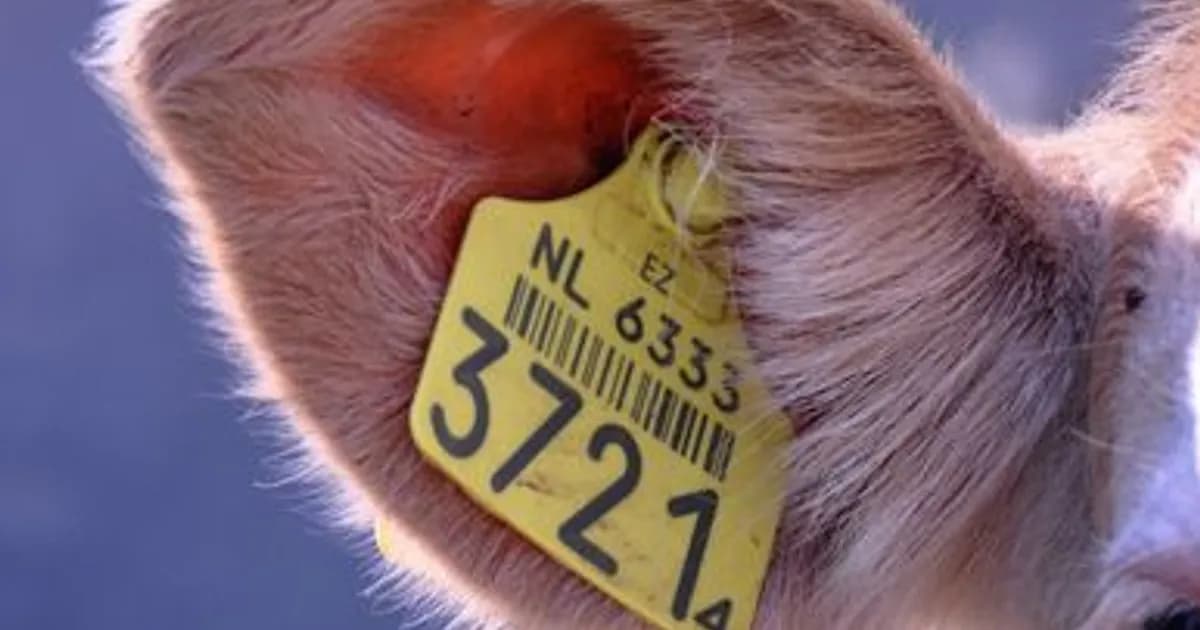
AI livestock health monitoring has quietly become one of the more practical wins in agricultural technology this year, moving past the hype cycle that surrounded earlier "smart farming" pitches and into daily use on dairy and cattle operations that simply need to catch sick animals faster than a human walking the pasture twice a day ever could. The core idea is straightforward: ear tags, collars, and rumen boluses stream temperature, movement, and rumination data continuously, and machine learning models trained on thousands of prior cases flag the subtle behavioral shifts that precede visible illness by two to three days.
That lead time matters enormously in livestock operations, where a sick animal caught early is a manageable vet bill and a sick animal caught late can mean a lost animal, a spreading infection, or a contaminated milk batch.
Why Early Detection Changes the Economics
A cow that's coming down with mastitis or a respiratory infection doesn't announce itself clearly to a human observer until the illness has already progressed. Reduced rumination time, subtle changes in walking gait, and small drops in feeding frequency are the earliest signals, and they're exactly the kind of small, multi-variable patterns that machine learning is good at picking up and a busy farmhand checking hundreds of animals is not.
Farms running AI monitoring systems report catching a meaningful share of cases at this pre-symptomatic stage, which translates directly into less antibiotic use, fewer culled animals, and milk that doesn't have to be discarded due to treatment withdrawal periods.
What the Sensor Stack Actually Tracks
Modern systems layer several data sources rather than relying on any single signal:
- Ear tag or collar accelerometers, tracking activity level, rumination time, and resting patterns
- Rumen boluses, swallowed sensors that monitor internal temperature and pH continuously
- Computer vision cameras in barns and milking parlors, watching for changes in gait, posture, and body condition score
- Automated milking system data, where sudden drops in yield or changes in milk conductivity often precede a formal mastitis diagnosis
No single data stream is reliable enough on its own, which is why the better platforms fuse all four into one risk score per animal rather than asking a farmer to interpret separate dashboards.
Lameness Detection Is the Standout Use Case
Lameness remains one of the costliest and most under-detected problems in cattle herds, and it's also where AI vision systems have made the clearest measurable difference. Overhead and walkway cameras now score gait automatically as cows pass through, flagging early mobility issues well before they'd be obvious to a person doing a visual lameness scoring pass once a week. Earlier intervention here means hoof problems get treated before they progress to the point of permanently reducing milk yield or fertility.
This pairs with the broader pattern seen across AI in Agriculture 2026: Smart Farming Takes the Field, where the strongest results consistently come from systems that monitor continuously rather than relying on periodic manual checks.
Adoption Is Concentrated on Larger Operations — For Now
The upfront cost of sensor hardware and the recurring subscription fees for the analytics platform still put these systems mostly within reach of larger dairy and cattle operations rather than small family farms. A herd of a few thousand animals can spread the per-animal hardware cost across enough saved vet bills and reduced culling to justify the investment quickly; a herd of fifty has a much harder time making the math work.
Several vendors have responded with smaller, lower-cost tag options aimed at mid-sized operations, and prices have continued to drift down as the underlying sensors get cheaper, but cost remains the single biggest barrier to wider adoption.
Veterinary Practice Is Adjusting Alongside the Technology
Farm veterinarians increasingly receive alerts directly from these platforms rather than waiting for a phone call describing symptoms, which shifts a meaningful part of their job toward remote triage. The American Veterinary Medical Association has noted this shift toward continuous remote monitoring as part of a broader change in how production-animal veterinary care is delivered, with vets prioritizing in-person visits for flagged animals rather than routine herd walkthroughs.
This mirrors a trend already visible in companion-animal care, discussed in AI in Veterinary Medicine 2026: Diagnosis and Care, where remote monitoring and AI-assisted triage are reshaping how often animals need an in-person exam at all.
Data Ownership Is Becoming a Real Point of Friction
As these platforms accumulate years of health and production data per animal, farmers have started pushing back on contracts that give the sensor vendor broad rights to that data, particularly when it could be resold or used to benchmark a farm's performance against competitors. Industry groups have begun pushing for clearer data ownership terms in equipment contracts, a debate that echoes similar fights happening in precision-agriculture more broadly.
Breeding and Fertility Tracking Add Another Layer of Value
Beyond illness and lameness, the same sensor data has turned out to be useful for tracking estrus cycles and optimizing breeding timing, an area where missed windows have historically cost dairy operations significant revenue through extended calving intervals. Activity sensors pick up the subtle increase in movement and mounting behavior that signals optimal breeding timing far more consistently than visual observation, which depends on a worker happening to notice the right behavior at the right moment.
Farms that added fertility tracking on top of an existing health monitoring platform have generally found it pays for itself faster than the health monitoring alone, since missed breeding windows are a recurring, quantifiable cost that's easy to compare before and after adoption.
Getting Started Without Overcommitting
Farms considering AI health monitoring for the first time generally do better starting with a single use case — lameness scoring or estrus detection are common entry points — rather than buying a full platform across temperature, rumination, and vision data at once. A focused pilot makes it easier to measure actual return on investment before committing to the larger hardware spend a full system requires.
- Start with the highest-cost problem on your specific operation, whether that's lameness, mastitis, or missed breeding windows
- Pilot on a subset of the herd before a full rollout
- Confirm what happens to your data, and who can access or resell it, before signing a multi-year contract
- Budget for the recurring software subscription, not just the one-time hardware cost
Conclusion
AI livestock health monitoring in 2026 has moved from pilot projects to a genuine operational tool on larger farms, catching illness and lameness days earlier than manual checks and giving farmers data they simply didn't have access to before. The technology isn't cheap yet, and the data-ownership questions aren't fully settled, but for operations large enough to spread the cost, the case for adoption keeps getting stronger. If you're evaluating a system, start with one well-defined problem, pilot it on part of your herd, and read the data terms closely before you sign.
Comments
Loading comments...