
AI in Veterinary Medicine 2026: Better Care for Your Pet
AI in Veterinary Medicine 2026: Better Care for Your Pet
AI veterinary medicine tools are changing what's possible for pet owners and vets alike. Diagnostic tools that once required specialist referrals are now available at general practice clinics. Remote monitoring devices track chronic conditions at home between appointments. And AI models trained on millions of veterinary cases are helping clinicians catch diseases earlier than traditional methods allowed.
That progress is arriving at a good time. Veterinary workforce shortages in the US, UK, and Australia have stretched clinic capacity, making AI tools that enhance productivity and reduce diagnostic errors more valuable than ever.
How AI Is Entering the Vet Clinic
Veterinary AI adoption is following a similar path to medical AI in human healthcare—starting with imaging analysis and expanding into clinical decision support.
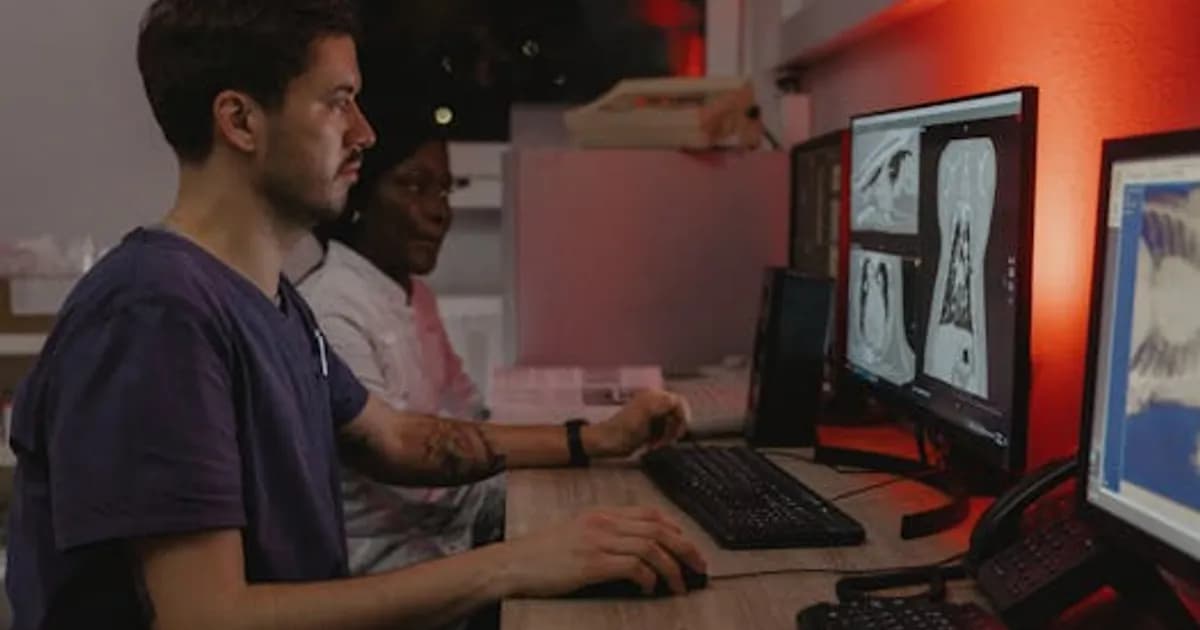
The most mature applications are in radiology and pathology. AI tools trained on X-rays, MRIs, and histopathology slides can detect bone fractures, lung abnormalities, and cancerous tissue with accuracy that matches or exceeds trained veterinary radiologists in controlled studies.
Clinical decision support tools are increasingly common in practice management software. These systems flag potential drug interactions, suggest diagnostic differentials based on presenting symptoms, and alert vets to abnormal lab values that might otherwise require manual comparison against reference ranges.
The American Veterinary Medical Association has been tracking AI adoption across US practices, reporting that AI-assisted diagnostic tools are now present in approximately 35% of specialty and emergency veterinary centers—up from under 10% in 2023.
AI Diagnostic Tools Making a Difference
Several AI platforms have gained meaningful adoption in veterinary medicine in 2026:
Vetology AI analyzes radiographic images uploaded from any practice, returning structured radiology reports within minutes—a service that previously required either hiring a board-certified veterinary radiologist or outsourcing with 24-48 hour turnaround times.
Helio and Vet-AI focus on skin condition identification. Dermatology is one of the most common presentation types in small animal practice and also one where general practitioners feel least confident. Both platforms use phone cameras to analyze skin lesions, coat conditions, and wound healing with accuracy measured against dermatology specialist diagnoses.
SignalPET offers AI-powered dental radiograph analysis—automatically identifying tooth root abnormalities, bone loss, and early periodontal disease that can be easy to miss on manual review.
For pet owners, these tools mean fewer specialist referrals, faster diagnoses, and in many cases, detecting conditions before they become serious.
Remote Pet Health Monitoring at Home
AI-enabled wearables for pets have matured significantly since their clunky early iterations. In 2026, smart collars from companies like Fi, Whistle, and Invoxia combine GPS tracking with health monitoring that would have seemed extraordinary a decade ago.
Current capabilities include:
- Sleep quality and activity pattern analysis
- Heart rate and respiratory rate monitoring
- Early detection of changes in gait or movement that may indicate pain or injury
- Caloric expenditure estimation for weight management programs
- Seizure detection algorithms that alert owners and log events for veterinary review
The data these devices generate is increasingly being integrated with veterinary practice management systems, giving clinicians a longitudinal view of patient health between appointments rather than a single snapshot during a visit.
AI models trained on this data are getting better at flagging early warning signs. Changes in activity level, sleep disruption, and subtle shifts in daily patterns often precede clinical symptoms of conditions like arthritis, diabetes, and cardiac disease by weeks.
AI in Large Animal and Livestock Veterinary Care
The economic stakes in livestock and equine medicine are high, which has driven significant AI investment in these areas.
Precision livestock farming platforms—used by dairy, poultry, and swine operations—now use AI to monitor thousands of animals simultaneously. Computer vision systems analyze posture, gait, and social behavior to identify sick or injured animals before they're visibly ill, enabling treatment before conditions worsen and spread.
For dairy cattle specifically, AI tools monitoring milk yield, composition, and reproductive cycle data have reduced the incidence of subclinical mastitis and improved conception rates on large commercial farms.
Equine AI is an active niche, with thermography and gait analysis tools helping diagnose lameness—one of the most common and economically significant conditions in performance horses—with greater precision than traditional flexion tests.
Making Vet Care More Affordable and Accessible
One of the most meaningful impacts of AI veterinary tools is on access. Rural areas and underserved communities often lack specialist veterinary services within a reasonable distance. AI platforms that enable general practice vets to access specialist-level diagnostic support—without the referral, the travel, and the wait—make a real difference.
Telehealth platforms like Vetster and Airvet now incorporate AI triage tools that help determine whether a pet needs immediate in-person care or whether a virtual consultation with a vet is sufficient. This has reduced unnecessary emergency visits while ensuring genuinely urgent cases get faster attention.
AI is also helping with the documentation and administrative burden that contributes to veterinary burnout. Automated SOAP note generation, prescription refill processing, and appointment scheduling optimization are freeing clinician time for actual patient care.
Alongside AI advances in human healthcare, AI in healthcare 2026 explores how similar diagnostic AI tools are being deployed on the human medicine side—with many of the same companies now building for both markets.
What Pet Owners Should Know
AI tools are improving veterinary care, but they come with important caveats for pet owners:
- AI is a clinical support tool, not a replacement for examination. No app or device replaces the judgment of a trained veterinarian who has examined your animal.
- Wearable data needs interpretation. Anomalies flagged by a smart collar are prompts for investigation, not diagnoses. False positives are common enough that they shouldn't be a source of constant anxiety.
- Privacy matters for veterinary records too. When pet health platforms collect health data and share it with third parties, the same questions around data ownership and use apply as in human healthcare.
The best posture for pet owners is to use AI monitoring tools as an early warning system and data-gathering layer, while maintaining regular veterinary relationships for interpretation and treatment decisions.
What Vets Should Know Now
For practitioners evaluating AI tools, a few practical considerations:
- Validate performance claims with published data. Many vendors cite accuracy figures from internal validation studies; seek peer-reviewed evidence where it exists.
- Integration matters more than features. A diagnostics tool that doesn't connect to your practice management software creates workflow friction that reduces adoption.
- Regulatory status is evolving. The FDA Center for Veterinary Medicine is developing guidance on AI diagnostic software classification. Staying current on that framework helps avoid compliance surprises.
AI veterinary medicine isn't a future state—it's the current state of the best-equipped practices in 2026. For pet owners, the practical takeaway is straightforward: ask your vet what AI diagnostic tools they use, consider a GPS-health collar for older animals with chronic conditions, and take advantage of telehealth triage options before making emergency clinic trips.
Comments
Loading comments...