
AI Beekeeping in 2026: Smart Hives Fight Colony Loss
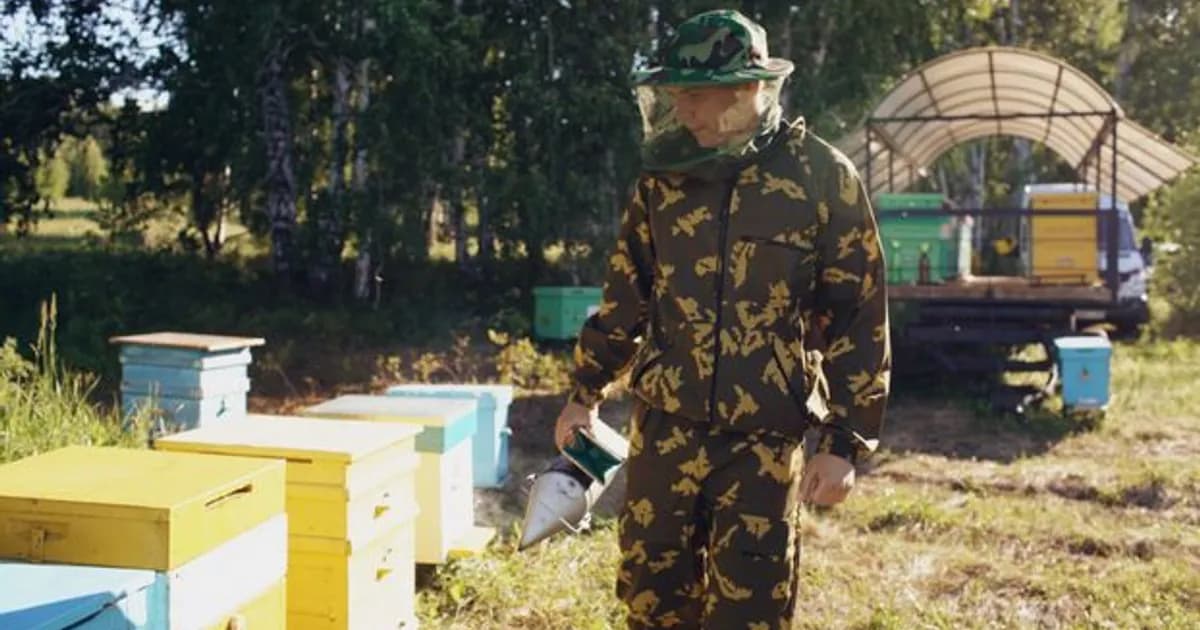
AI Beekeeping in 2026: Smart Hives Fight Colony Loss
AI beekeeping has quietly become one of the more practical applications of precision agriculture in 2026, mostly because the problem it's solving is so binary: a beekeeper who doesn't notice a collapsing colony until the next physical inspection often finds it too late to save. Sensor-equipped hives paired with machine learning models that listen for trouble have changed that timeline from weeks to hours.
Commercial beekeepers managing thousands of hives across multiple pollination contracts simply can't physically inspect every colony often enough to catch problems early, which is exactly the gap AI monitoring was built to close.
What a Smart Hive Actually Tracks
A monitored hive typically carries a small sensor package rather than anything invasive to the bees themselves: a microphone tuned to the acoustic signature of the colony, a scale measuring weight changes from honey stores and population, temperature and humidity sensors inside the brood area, and sometimes an entrance counter tracking bee traffic in and out.
Machine learning models trained on these signals have learned to recognize patterns that correlate with specific problems:
- Queen loss, which produces a distinctive shift in the hive's acoustic hum within hours
- Varroa mite infestations, often showing up first as unusual temperature regulation as the colony struggles to maintain brood temperature
- Starvation risk, flagged through weight trends that diverge from seasonal norms
- Swarming behavior, preceded by recognizable changes in activity and sound before bees actually leave
None of these signals alone is conclusive, which is why the better systems combine several before alerting a beekeeper, rather than generating constant low-confidence noise that gets ignored.
Why Colony Collapse Made This Urgent
Pollinator populations have been under sustained pressure for years from a combination of mites, pesticide exposure, habitat loss, and disease, and commercial beekeeping operations that move hives between farms for pollination contracts add additional stress through transport and concentrated feeding on a single crop. The UN Food and Agriculture Organization has tracked pollinator decline as a direct threat to global food security, since a meaningful share of food crops depend on insect pollination rather than self-pollinating or wind-pollinating naturally.
That backdrop is part of why early detection technology has gotten serious investment rather than staying a hobbyist novelty. A beekeeper who catches a failing colony in time can often intervene — feeding, treating for mites, or splitting a stressed hive — in ways that simply aren't possible once collapse has already progressed too far.
This connects to the broader environmental monitoring trend covered in AI in Environmental Monitoring 2026: Protecting Our Planet, where sensor networks built for one ecological problem increasingly get reused across adjacent conservation efforts.
Scheduling Pollination With Predictive Models
Beyond colony health, AI has also started optimizing the logistics side of commercial pollination — deciding when to move hives to a given crop and how many colonies a field actually needs. Bloom timing varies year to year with weather, and models trained on historical bloom data, current weather patterns, and satellite crop imagery now help growers and beekeepers coordinate hive placement more precisely than the rough seasonal calendars the industry relied on previously.
Overstocking a field with more hives than its bloom can support wastes colony strength without improving yield, while understocking leaves pollination incomplete. Getting that number closer to right has real economic value for both the grower and the beekeeper renting out hives.
This overlaps with the precision farming techniques described in AI in Agriculture 2026: Smart Farming Takes the Field, where the same satellite and weather-driven prediction models are increasingly shared infrastructure across different parts of the farming operation.
The Limits of Sensor-Based Monitoring
Smart hive systems are not a substitute for physical inspection, and beekeepers who've adopted the technology are generally clear about that. Sensors can flag that something is wrong without identifying exactly what, and conditions like certain brood diseases still require a beekeeper to physically open the hive and look.
Cost is also a real barrier for smaller operations — outfitting every hive in a large apiary with sensors adds up quickly, which has pushed adoption mostly toward commercial-scale beekeepers and pollination contractors rather than hobbyists, at least so far.
A few practices have emerged among operations getting real value from the technology:
- Treat sensor alerts as a trigger for inspection, not a replacement for it
- Calibrate alert thresholds seasonally, since normal hive behavior shifts significantly between spring buildup and winter dormancy
- Combine acoustic and weight data rather than relying on either signal alone
- Use bloom-prediction data to plan hive moves weeks ahead rather than reacting to bloom after it starts
Who Is Actually Buying This Technology
AI beekeeping adoption has skewed heavily toward two groups: large commercial pollination contractors who move thousands of hives between almond, fruit, and seed crops each season, and agricultural cooperatives that pool sensor costs across many smaller member beekeepers rather than each operation buying individually. Both groups share the same underlying motivation — they're managing more hives than any single person can physically track, and the cost of a few unnoticed colony failures across a large operation easily exceeds the price of sensors.
Hobbyist and small-scale beekeepers have been slower to adopt the technology, partly on cost grounds and partly because a beekeeper with a handful of hives can still realistically inspect each one weekly without much trouble. Equipment manufacturers have responded with lower-cost single-hive sensor kits aimed at this smaller market, though the acoustic and weight baselines those kits rely on tend to be less precise than the data sets built from large commercial fleets, since the underlying models have less comparable history to draw on for smaller, more idiosyncratic deployments.
Insurance and Pollination Contract Implications
An unexpected secondary effect of widespread AI beekeeping monitoring has been its influence on how pollination contracts and crop insurance get structured. Growers contracting bee colonies for pollination increasingly want documented evidence that hives delivered were healthy and active throughout the bloom window, not just present, and sensor logs provide exactly that kind of verifiable record in a way a beekeeper's word alone didn't.
Some insurers covering colony loss have started offering more favorable terms to beekeepers running continuous monitoring, reasoning that early detection reduces the likelihood of a catastrophic, unrecoverable loss claim. That shift mirrors how monitoring data has changed risk pricing in other industries, where verifiable real-time data tends to get rewarded over self-reported condition assessments once insurers trust the underlying technology enough to build it into underwriting.
Conclusion
AI beekeeping in 2026 has turned colony monitoring from a periodic physical check into something closer to continuous observation, giving beekeepers a real shot at catching collapse, mites, and starvation before it's too late to act. The technology hasn't replaced hands-on beekeeping know-how, and it probably shouldn't — but for commercial operations managing pollination at scale, it's become a genuinely useful early-warning layer rather than a gimmick. If you're running hives at a scale where you can't inspect every colony weekly, the sensor and acoustic monitoring options available now are worth a serious look.
Comments
Loading comments...