
Windsurf AI IDE in 2026: Codeium's AI Code Editor Reviewed
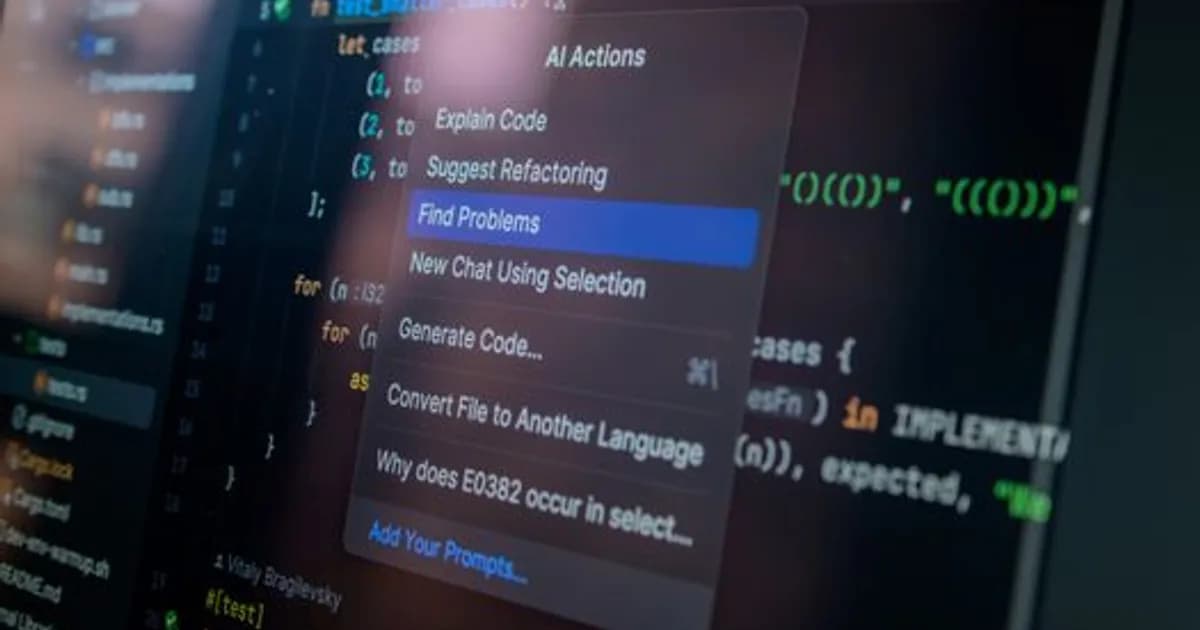
Windsurf AI IDE in 2026: Codeium's AI Code Editor Reviewed
Windsurf is Codeium's AI-native code editor, and in 2026 it has become one of the most serious competitors to Cursor and GitHub Copilot. Built from scratch around the assumption that AI is central to writing code — not an add-on — Windsurf takes a different approach to the IDE than tools that layer AI onto VS Code.
This review covers what Windsurf does well, where it falls short, pricing, and whether it belongs in your development workflow.
What Makes Windsurf Different
Most AI code tools work as assistants: you write, the AI suggests. Windsurf's flagship feature, called Cascade, flips that model. Cascade is an agentic coding system that can take a multi-step task — "refactor this module to use async/await throughout" — and execute it across multiple files, running tests and iterating until the task is complete.
The key distinction is autonomy. Cascade doesn't just suggest changes; it applies them, observes what happens (test results, terminal output, linting errors), and adjusts. For repetitive tasks like migrating a codebase between patterns or adding error handling throughout a project, this saves substantial time.
Windsurf also builds deep context by indexing your entire codebase locally. The AI understands your project's structure, naming conventions, and dependencies before you ask it anything. That context is what makes suggestions feel project-aware rather than generic.
Other notable features:
- Supercomplete: Autocomplete that predicts multi-line edits, not just the next token
- Inline editing: Highlight code, describe the change, and the AI rewrites it in place
- Terminal awareness: The AI can read terminal output and use it to debug failures
- Multi-file edits: Changes automatically propagate across related files
- History: Full conversation history per session, so the AI maintains context across a working session
Windsurf vs Cursor: The Main Comparison
Cursor AI IDE is the most direct comparison — both are full VS Code forks with deep AI integration. The key differences in 2026:
Context handling: Cursor's "Rules for AI" lets you write persistent instructions that shape how the AI behaves across all sessions. Windsurf's context is more automatic — it reads your project — but less configurable.
Agent behavior: Windsurf's Cascade is designed for longer autonomous runs. Cursor's Composer agent is capable but typically requires more human checkpoints for complex tasks.
Model flexibility: Cursor lets you choose between models (Claude, GPT, Gemini) more granularly. Windsurf routes requests to its own optimized backend with less user-selectable model switching.
Price: Both offer free tiers with limited completions. Cursor's Pro plan runs around $20/month; Windsurf's Pro plan is similar. Enterprise pricing for both scales with seat count.
For developers who want hands-on control of every AI interaction, Cursor tends to feel more configurable. For developers who want to hand off larger tasks and come back to results, Windsurf's Cascade workflow often fits better.
Windsurf vs GitHub Copilot
Copilot remains the most widely deployed AI coding tool because of its enterprise reach and VS Code integration. The comparison with Windsurf comes down to use case:
Copilot is strong for line-by-line autocomplete inside an existing VS Code setup. It works with your existing extensions, keybindings, and settings without switching editors. If most of your AI-assisted coding is autocomplete and the occasional inline chat, Copilot is likely already good enough.
Windsurf is stronger when you're doing heavier AI-assisted work — architectural changes, large refactors, scaffolding new features across multiple files. The agentic capabilities and codebase-wide context outperform Copilot in these scenarios.
The Best AI Coding Assistants in 2026 guide covers the broader field including tools beyond IDEs, like AI code review and testing tools.
Performance and Language Support
Windsurf handles major languages well — Python, TypeScript, JavaScript, Go, Rust, Java — with particularly strong support for the frontend stack. The autocomplete latency is competitive with Cursor: typically under 200ms for local models and slightly longer for cloud inference.
Cascade runs are asynchronous. You kick off a multi-step task, and Windsurf works in the background while you review or continue with other work. This async pattern matters for long-running tasks — a codebase-wide refactor might take several minutes, and you don't want to be blocked.
One limitation: Cascade can be too autonomous for some workflows. Junior developers on team codebases may find it applies changes too aggressively. Windsurf's settings let you require approval before applying changes, which helps, but the defaults lean toward "do it" rather than "ask first."
Privacy and Security
Codeium has been explicit about privacy: code sent for cloud inference is not used to train models, and enterprise plans offer options for on-premise or private cloud deployment where code never leaves your infrastructure. That's the same assurance Cursor and Copilot Enterprise provide, so the playing field is level for most compliance requirements.
Local inference support — running smaller models on your machine — is available for sensitive codebases where sending code to any cloud is off the table. Local mode trades some capability for privacy; the suggestions are still useful but less sophisticated than cloud inference.
Pricing in 2026
- Free: 200 Cascade flows and limited completions per month
- Pro ($15–20/month): Unlimited completions, 1,000+ Cascade flows, priority inference
- Teams: Per-seat pricing with centralized billing and usage controls
- Enterprise: Private deployment, SSO, audit logging, custom model routing
The free tier is genuinely useful for evaluation — 200 Cascade runs is enough to test the workflow on real projects before committing.
Who Should Use Windsurf
Windsurf is a strong choice if:
- You frequently tackle large refactors or architectural changes
- You want an AI that maintains project-wide context automatically
- You prefer the AI to act more autonomously on multi-step tasks
- You're starting a new project and want AI scaffolding from the beginning
Stick with Cursor if you want more granular control over AI behavior, or stay with Copilot if you're embedded in a VS Code setup that works well and don't want to change editors.
Try It for a Week
The most honest recommendation for any AI IDE is to try it on your actual work. Download Windsurf from windsurf.com, use the free tier on a real project for a week, and evaluate whether Cascade's autonomous approach fits your workflow.
AI code editors are converging toward similar features, but the feel of how they handle agent tasks differs enough to matter. Windsurf's bet is that developers will want AI to do more, not just suggest more. In 2026, that bet is paying off for a large portion of the development community.
Comments
Loading comments...