
AI Wearable Health Monitors 2026: Real-Time Body Tracking
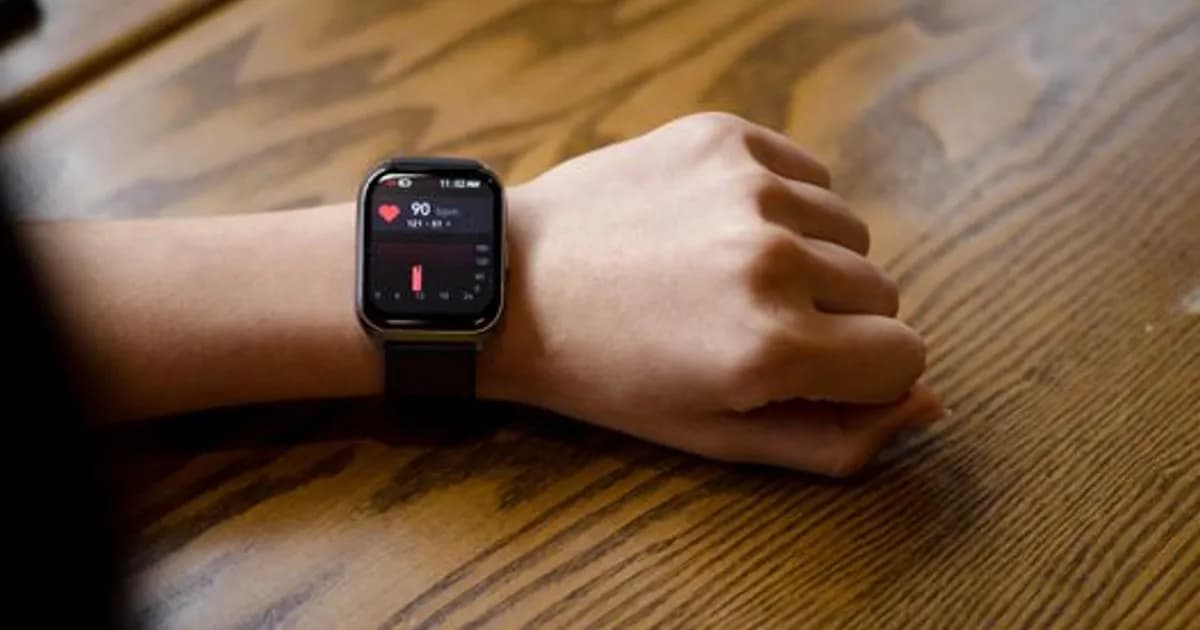
AI Wearable Health Monitors 2026: Real-Time Body Tracking Has Arrived
The wearable on your wrist knows more about your health than most doctor visits can reveal in 20 minutes. AI wearable health monitors in 2026 go far beyond step counts and sleep scores — they track blood glucose without needles, detect irregular heart rhythms before symptoms appear, and flag stress patterns that correlate with burnout weeks in advance.
The technology has matured to a point where these devices are clinically relevant, not just lifestyle accessories. And the data they generate is changing how patients and doctors interact.
From Step Counters to Clinical-Grade Monitoring
Early fitness trackers were passive — they counted movement and estimated calories. Today's AI-powered health monitors are active, interpreting streams of biometric data to surface meaningful insights rather than raw numbers.
The shift happened because of two converging advances: sensor miniaturization and on-device machine learning. Modern wearables pack optical sensors, electrodes, and accelerometers into a band thin enough to wear comfortably all day. The AI running on those devices — and on paired smartphones — converts raw signals into health intelligence.
Key capabilities now common across leading devices include:
- Continuous glucose monitoring (CGM) without fingerstick blood draws
- Atrial fibrillation detection with consumer-accessible ECG readings
- Blood oxygen saturation tracking (SpO2) throughout sleep
- Skin temperature variation monitoring linked to illness and hormonal cycles
- Stress and cortisol estimation via heart rate variability analysis
- Respiratory rate and VO2 max estimation from optical sensors
What's new in 2026 is not the sensors themselves but the AI layer that connects these signals into longitudinal health narratives.
Continuous Glucose Monitoring Goes Mainstream
The most significant development in health wearables over the past two years has been the democratization of continuous glucose monitoring. What was once a medical device for people managing diabetes is now a consumer product.
Samsung's Galaxy Ring 2, Apple Watch Series 12, and several standalone CGM patches now offer non-invasive or minimally invasive glucose tracking for people without diabetes. The primary appeal for general wellness users is understanding how food, sleep, and stress affect blood sugar — information that can meaningfully influence diet and energy management.
Clinical nutritionists have begun integrating CGM data into personalized eating plans. Instead of generic macros, clients receive meal timing and composition recommendations based on their individual glucose response patterns — a form of precision nutrition that was previously available only to elite athletes with research support.
For people managing type 2 diabetes or prediabetes, continuous monitoring paired with AI coaching apps has shown measurable impact. A 2025 study in The Lancet found that patients using AI-guided CGM apps achieved better HbA1c control than those receiving standard care alone, with fewer hypoglycemic episodes.
Heart Health Detection and Early Warnings
Cardiovascular disease remains the leading cause of death globally, and catching problems early dramatically improves outcomes. AI wearables are becoming an increasingly effective early warning layer.
The Apple Watch has now generated millions of FDA-cleared ECG readings. Studies have confirmed its atrial fibrillation detection accuracy compares favorably to clinical-grade devices for general screening purposes. Competitors including Fitbit (Google), Samsung, and Garmin have launched comparable capabilities.
In 2026, the clinical community has shifted from skepticism to cautious integration. Several major hospital systems now have formal programs that incorporate wearable-derived cardiac data into patient records. Cardiologists at Cleveland Clinic and Mayo Clinic describe wearable data as most valuable for its longitudinal continuity — revealing patterns over weeks that a 10-second ECG reading in a clinical office cannot.
Beyond atrial fibrillation, newer devices detect irregular heart rate patterns associated with other arrhythmias and alert users to sustained elevated heart rates at rest — an early marker of infection, overtraining, or cardiovascular stress.
Sleep and Recovery Monitoring
Poor sleep is linked to virtually every chronic disease category, from metabolic disorders to mental health conditions. AI sleep analysis has become one of the most practically useful features in health wearables.
Modern devices distinguish between sleep stages with reasonable accuracy using a combination of motion tracking, heart rate variability, and blood oxygen data. But the more valuable output in 2026 is not stage classification — it's the AI-generated recovery score that accounts for total sleep duration, sleep quality, overnight heart rate trends, and breathing consistency.
Devices like the Oura Ring 4, WHOOP 5.0, and Garmin Fenix 9 integrate these scores into readiness recommendations that adjust daily training intensity and cognitive workload suggestions. Athletes, executives, and shift workers are the heaviest users, but adoption has expanded broadly as the recommendations have become more actionable and accurate.
Sleep apnea detection is an area seeing rapid clinical validation. Apple's sleep apnea feature received FDA clearance in late 2024 and has since been credited with identifying the condition in thousands of users who were previously undiagnosed. Early detection means earlier treatment and meaningfully reduced cardiovascular risk. AI mental health apps increasingly integrate wearable sleep data to correlate sleep quality with mood outcomes.
Mental Health and Stress Tracking
The link between physiological signals and psychological state has long been studied; translating that relationship into a useful consumer product took time. In 2026, the translation is reasonably successful.
Heart rate variability has become the primary proxy for stress and nervous system state. AI models trained on millions of users have learned to distinguish physiological stress from physical exertion, calibrating interpretations to individual baselines. The result is a personal stress score that tracks emotional burden over time — useful for identifying unsustainable work patterns, chronic anxiety, or burnout trajectories before they become clinical problems.
Some platforms pair physiological tracking with journaling prompts and behavioral nudges. The combination of objective data and subjective reflection has proven more effective than either alone at helping users make sustainable changes.
Limitations and Privacy Considerations
No wearable replaces clinical diagnosis. False positives cause unnecessary anxiety; false negatives create false reassurance. Most reputable manufacturers include disclaimers specifying that wearable data is for wellness information rather than medical diagnosis — though the line between those categories continues to blur.
Data privacy is a legitimate concern. AI health monitors generate intimate, continuous streams of biometric information. Users should understand how their data is stored, whether it is shared with third parties, and what rights they retain. Policies vary significantly across manufacturers.
Interoperability is improving but imperfect. Most devices integrate with Apple Health or Google Health, but cross-platform data portability to clinical health records still requires friction most users find prohibitive. AI food and nutrition tracking faces the same interoperability challenges when users want to combine dietary data with physiological monitoring.
What to Expect in the Next 12 Months
The near-term pipeline for AI health wearables focuses on two capabilities: blood pressure monitoring without cuffs and early illness detection using continuous biomarker analysis. Both are technically feasible and in active regulatory review in multiple markets.
Continuous blood pressure monitoring would address the most widely undertreated cardiovascular risk factor worldwide. If consumer-grade accuracy is achievable — and early evidence suggests it is — the public health implications are substantial.
AI wearable health monitors in 2026 have crossed the threshold from interesting to genuinely useful. The best devices surface the right insight at the right time, turning continuous data streams into decisions that actually improve how people feel and function every day.
Comments
Loading comments...