
AI Sleep Apnea Diagnosis in 2026: Home Testing Tools
AI Sleep Apnea Diagnosis in 2026: What Home Testing Can and Can't Do
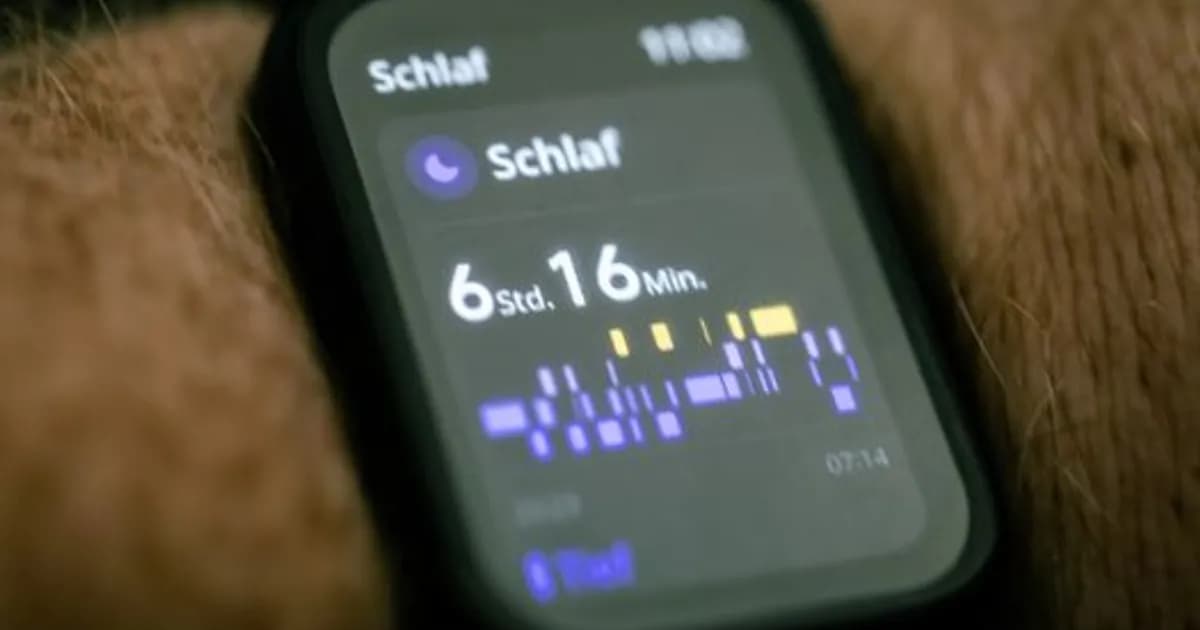
AI sleep apnea diagnosis tools have quietly become one of the more practical applications of machine learning in everyday health care. Instead of booking a night in a sleep lab wired to a dozen electrodes, a growing number of patients are starting with a phone, a ring, or a bedside sensor that tracks breathing patterns while they sleep at home.
This shift matters because sleep apnea is common and badly underdiagnosed. Estimates from the American Academy of Sleep Medicine suggest tens of millions of US adults have it, and most don't know it. AI-powered home testing is closing that gap, but it comes with real limits worth understanding before you trust an app's verdict over a doctor's.
Why Traditional Sleep Studies Are a Bottleneck
Polysomnography, the lab-based sleep study, remains the clinical gold standard for diagnosing sleep apnea. A technician attaches sensors to track brain waves, eye movement, heart rhythm, airflow, and oxygen saturation, then a sleep physician scores the data by hand or with assistive software.
The problem isn't accuracy — it's access. A few pain points show up again and again:
- Cost: An in-lab study can run $1,000 to $3,000 or more before insurance, and many plans require prior authorization that takes weeks.
- Wait times: Sleep clinics in many regions have backlogs stretching two to six months for an in-lab appointment.
- Discomfort: Sleeping in an unfamiliar bed covered in wires rarely produces a "normal" night, which can skew results.
- Limited capacity: There are only so many lab beds and certified technicians, so volume is capped no matter how much demand grows.
These constraints are exactly why home testing, AI-assisted or not, has been gaining ground for over a decade. What's new in 2026 is how much of the analysis is now automated rather than reviewed manually.
What AI Home Sleep Apnea Tests Actually Measure
A home sleep apnea test ai system typically draws on a narrower set of signals than a full lab study, but it processes them with pattern-recognition models trained on large datasets of scored sleep studies. Common inputs include:
- Pulse oximetry: A finger or wrist sensor tracks blood oxygen saturation, looking for the repeated dips that occur when breathing stops or shallows.
- Audio snoring analysis: Phone or bedside microphones use AI models to distinguish apnea-pattern snoring (loud snoring followed by silence, then a gasp) from ordinary snoring.
- Motion and actigraphy: Wearables and under-mattress sensors track body movement and restlessness, which correlates with arousal events.
- Contactless radar and sonar: Some newer bedside devices use low-power radar or ultrasonic pulses to detect chest movement and breathing rate without any sensor touching the body.
The machine learning layer is what's changed the game. Rather than a technician manually counting desaturation events, models trained on thousands of annotated nights can estimate an apnea-hypopnea index (AHI) — the standard severity metric — and flag a likely positive or negative result within hours of upload.
Accuracy Compared to Clinical-Grade Lab Studies
The honest answer is that AI home tests are good at screening, not equivalent to polysomnography. Validation studies on FDA-cleared home sleep apnea tests, including AI-scored ones, generally show strong sensitivity for moderate-to-severe apnea — meaning they're good at catching real cases — but they're less reliable at the mild end of the spectrum and can underestimate severity in patients without obstructive apnea's classic presentation.
A few accuracy caveats worth knowing:
- Single-channel or limited-channel devices can miss central sleep apnea, where the brain fails to signal breathing rather than the airway being blocked.
- Results can be thrown off by arrhythmias, supplemental oxygen use, or poor sensor placement, none of which the algorithm can always self-correct for.
- Most validation studies compare against in-lab studies in relatively healthy, motivated volunteers — not the messier population of people with multiple coexisting conditions who show up in real clinical practice.
None of this makes the tools useless. It means they're built and best used as a triage step, not a final word.
FDA Clearance and Regulatory Status
A meaningful chunk of AI sleep apnea diagnosis products on the market in 2026 carry FDA clearance as home sleep apnea test (HSAT) devices, typically through the 510(k) pathway that establishes substantial equivalence to existing cleared devices. That clearance covers the hardware and the algorithm's ability to estimate AHI, not a guarantee of diagnostic-grade accuracy in every patient.
It's worth checking specifically what a device is cleared for. Some consumer wearables market "sleep apnea risk notifications" without seeking the same regulatory clearance as a dedicated HSAT, and the FDA has issued warnings distinguishing wellness features from diagnostic claims. The agency's guidance on digital health and software as a medical device, available through FDA.gov, is the clearest source for understanding what a given clearance actually covers.
If you're evaluating a product, look for explicit language about FDA clearance for sleep apnea detection, not just general "sleep tracking" marketing. The two are not the same thing, and the distinction matters for whether a positive result will be taken seriously by an insurer or a sleep specialist.
Who Is a Good Candidate for Home AI Screening
Home AI sleep apnea screening tends to work best for a fairly specific group of people. Good candidates generally include:
- Adults with classic symptoms — loud snoring, witnessed breathing pauses, daytime fatigue, morning headaches — and no major competing health conditions.
- People who've been told they're high risk based on a screening questionnaire (like the STOP-BANG score) but face a long wait for an in-lab study.
- Patients who've already been diagnosed and need ongoing monitoring to check whether treatment is working.
Home testing is a poorer fit for people with significant heart failure, chronic lung disease, suspected central sleep apnea, neuromuscular disorders affecting breathing, or other complex comorbidities. For those patients, the limited signal set of a home device isn't enough, and a full lab study with continuous EEG and respiratory monitoring is still the right call. Pregnant patients and those with unusual sleep schedules also tend to get less reliable readings from consumer-grade devices.
This is also where broader AI screening tools intersect with primary care; the same triage logic shows up across AI in Healthcare 2026: Transforming Medical Diagnosis, where algorithmic pre-screening routes patients toward the right level of specialist care rather than replacing it.
What Happens After a Positive Screen
A positive result from an AI home sleep apnea test isn't a diagnosis — it's a referral trigger. The typical pathway looks like this:
- The device or app generates a report, usually an estimated AHI along with oxygen desaturation data, and flags it for clinical review.
- A sleep physician or primary care provider reviews the data, often alongside symptom history, before confirming a diagnosis.
- Depending on severity, the next step might be a confirmatory in-lab study, particularly for borderline or atypical cases, or a direct move to treatment for clear-cut moderate-to-severe results.
- Treatment most commonly starts with CPAP (continuous positive airway pressure) therapy, though oral appliances, positional therapy, or weight management may be recommended depending on severity and anatomy.
- Many of the same AI-driven sensors used for screening get reused afterward to track CPAP adherence and effectiveness over time.
The American Academy of Sleep Medicine's patient education site, sleepeducation.org, is a solid starting point for understanding treatment options and what to expect from a sleep specialist referral once a screen comes back positive.
For people managing the lifestyle side of sleep health alongside any formal testing, tools covered in Best AI Sleep and Wellness Apps in 2026: Smarter Recovery can help track trends between screenings, though they're not a substitute for clinical follow-up.
The Bottom Line on AI Sleep Apnea Diagnosis
AI sleep apnea diagnosis tools have made screening dramatically more accessible, cutting the time between "something feels off" and getting real data into a clinician's hands. That's a genuine improvement over a system where the main bottleneck was lab capacity and months of waiting.
The catch is that these tools are screening instruments, not diagnostic replacements. They're built to flag risk and route people toward the right next step, and the strongest results come from FDA-cleared devices used as part of a clinical workflow rather than a standalone app verdict. Telehealth has made that follow-up step faster too — virtual consults with sleep specialists, covered in AI in Telehealth 2026: How Virtual Care Is Getting Smarter, now often happen within days of a positive home screen rather than months.
If you suspect sleep apnea, a home AI test is a reasonable first move, especially if symptoms are classic and you don't have complicating health conditions. Just plan for what comes after: get the results in front of a sleep physician, and treat a positive screen as the start of a conversation, not the end of one.
Comments
Loading comments...