
AI Misinformation in 2026: Detecting Fake News at Scale
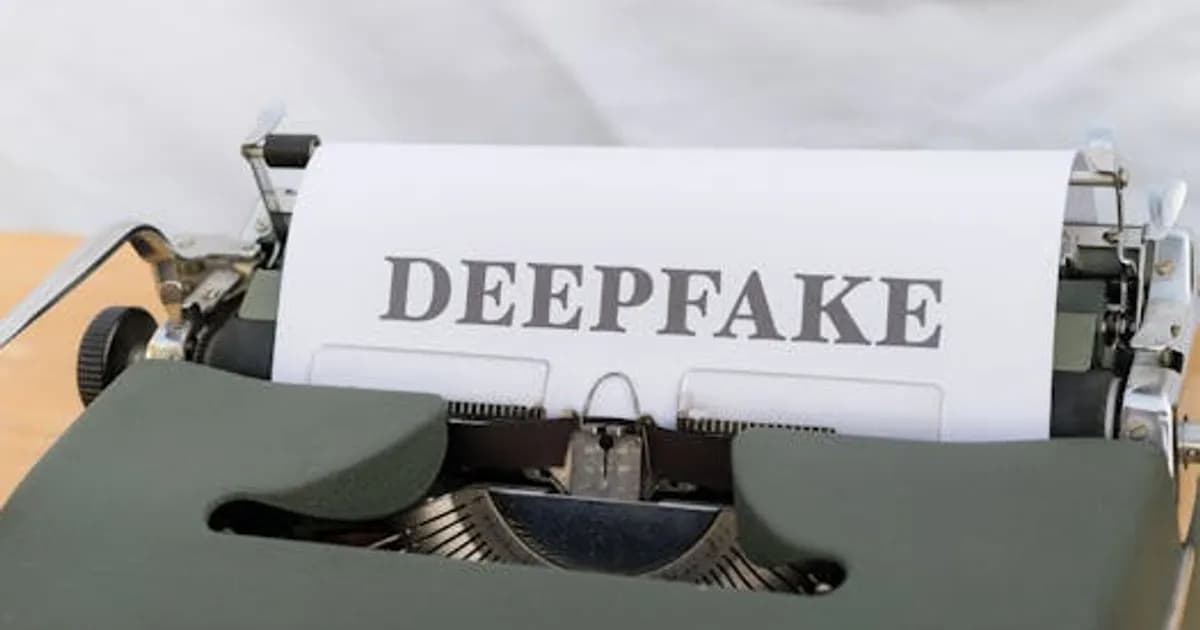
AI Misinformation in 2026: How Fake News Is Made and How It Gets Caught
AI misinformation—false or misleading content generated, amplified, or personalized using artificial intelligence—has become one of the defining information challenges of 2026. The same AI capabilities that enable creative work, content production, and personalized communication have lowered the cost of producing convincing false information to nearly zero.
Understanding how AI-generated misinformation works, where it spreads, and how detection efforts are keeping pace matters for anyone who consumes news, runs a media organization, or makes decisions based on online information.
How AI Makes Misinformation Easier to Produce
The barrier to creating false content has dropped dramatically.
Three years ago, creating a convincing fake news article required research, writing skill, image editing, and distribution effort. Today, AI tools can generate a plausible-sounding news article, create a matching fake photo or video, design a credible-looking publication website, and optimize it for social sharing—in under an hour, by someone with no specialized skills.
The specific capabilities that matter:
Text generation: Large language models can produce news-style articles that are stylistically indistinguishable from professional journalism. They adopt the conventions of the publications they're imitating—the inverted pyramid structure, attribution language, headline formats—making them harder to identify by style alone.
Image synthesis: Text-to-image models can generate photorealistic images of events that never happened, people who don't exist, or existing people in fabricated situations. Image quality has advanced to the point where artifacts that betrayed AI-generated images in 2022 are largely absent.
Video deepfakes: Video synthesis has improved substantially. Making a convincing deepfake of a public figure still requires effort and skill, but the barrier has dropped enough that it's accessible to motivated non-experts. Short clips—the format most likely to spread—are particularly accessible.
Voice cloning: Synthesizing a convincing voice clone of a real person now requires only a few seconds of audio training data. This is being used for audio deepfakes in calls, podcasts, and interviews.
Personalized targeting: AI can tailor the same false narrative to different audiences—adjusting language, cultural references, and framing to maximize credibility with specific demographic groups. Mass personalization of misinformation is a new capability with significant influence potential.
Where AI Misinformation Is Having the Most Impact
Not all misinformation is equally dangerous. The areas where AI-generated false information is causing the most documented harm in 2026:
Elections: AI-generated political content—fake candidate statements, fabricated policy positions, false voting information, AI-impersonating robocalls—have been documented in multiple national elections. The difficulty of distinguishing AI-generated content from authentic political communication is a real threat to electoral integrity.
Health and medical information: AI-generated health misinformation is a persistent problem, from false claims about vaccine side effects to fabricated studies promoting ineffective treatments. The health stakes are high and the audience is large.
Financial markets: AI-generated false news about companies—fake earnings reports, fabricated regulatory actions, forged executive statements—can move markets before the fraud is detected. Financial regulators are increasingly treating AI-generated market manipulation as a serious enforcement priority.
Conflict and geopolitical tensions: AI-generated content is being used in information warfare, creating fake atrocity evidence, fabricating statements from foreign officials, and creating false narratives about ongoing conflicts. The line between journalism and information warfare has never been more blurred.
Reputation attacks: AI makes it easy to create false content targeting individuals—fabricated interviews, synthesized images in compromising situations, forged communications. These attacks are being used in business disputes, harassment campaigns, and political opposition research.
How Detection Is Keeping Pace—and Where It's Failing
The detection side of the AI misinformation problem is also AI-powered, and the arms race is real.
AI content detection tools: Classifiers trained to identify AI-generated text have improved substantially and are integrated into major platforms. OpenAI, Anthropic, and others have published detection approaches, though no classifier is close to perfect.
Image and video authentication: Digital watermarking and provenance tracking—technically encoding information about an image's origin at the point of creation—is the most promising technical solution for image authenticity. The Content Authenticity Initiative (CAI), backed by Adobe, is building infrastructure for this. Cameras and AI generation tools that embed provenance data by default would make it possible to verify image origin.
C2PA (Coalition for Content Provenance and Authenticity): This industry standard for content provenance is being adopted by major platforms and AI generation tools. When broadly implemented, content generated by AI will carry metadata indicating its origin that can be checked by platforms and users.
Platform detection systems: Major social platforms invest heavily in automated detection of coordinated inauthentic behavior—networks of fake accounts amplifying AI-generated content. Detection has improved, but determined actors adapt.
Fact-checking at scale: AI tools are being used by fact-checking organizations to automatically screen large volumes of claims, prioritizing those most likely to be false for human review. This improves the throughput of fact-checkers who are otherwise overwhelmed by volume.
The fundamental challenge is asymmetric: creating convincing false content is cheap and fast; verifying it requires effort. In an environment where content spreads before it can be checked, even excellent detection systems are often too slow to prevent initial spread.
For more on the closely related problem of deepfakes, see our article on AI Deepfakes in 2026: Detection Tools and Legal Battles.
Platform Responsibility and Policy Responses
How social platforms handle AI-generated misinformation is shaping the information environment in ways that pure technology cannot.
The major platform approaches in 2026:
Labeling: Meta, X (Twitter), YouTube, and TikTok all have policies requiring disclosure of AI-generated content in certain categories—particularly political advertising and news-style content. Enforcement is uneven.
Reduction in algorithmic amplification: Some platforms have reduced amplification of content from new or low-credibility accounts, limiting the reach of AI-generated misinformation before it can be verified.
Demonetization and removal: AI-generated news sites that don't disclose their AI origins and violate platform ad policies are being removed from ad networks and deindexed from search results in some cases.
Verified identity for certain content: Some platforms are moving toward requiring verified identity for accounts publishing news-style content, raising the cost of anonymous AI misinformation campaigns.
The Reuters Institute's Digital News Report has tracked declining public trust in online news across multiple countries, a trend that predates AI-generated misinformation but has accelerated with it.
Regulatory approaches are developing. The EU AI Act includes provisions targeting AI-generated content that deceives users about its origin. Multiple countries are advancing legislation specifically targeting synthetic media used in elections. The U.S. has state-level laws in development but no federal framework as of mid-2026.
What Individuals Can Do
Structural solutions—better platform policies, content authentication standards, legal frameworks—take time. In the interim, there are practical steps that improve your ability to navigate AI misinformation:
Check the source, not just the content: AI-generated misinformation is often distributed through new or obscure sites that appear legitimate. Look for editorial staff, publication history, and ownership information.
Reverse image search: Running a suspicious image through Google Images or TinEye can reveal whether an image has been used in other contexts or originates from a different time or place.
Seek out original sources: If a claim references a study, official statement, or video, look for the primary source. AI-generated articles frequently reference real sources but misrepresent what they say.
Be skeptical of emotional intensity: Content designed to provoke anger, fear, or outrage is more likely to spread and more likely to be misleading. The emotional charge of a piece of content is a weak but real signal worth noticing.
Use verification tools: Browser extensions like InVID for video verification and tools built on C2PA provenance standards can provide additional authentication signals for images and video.
Slow down on sharing: Most misinformation is shared by people who encountered it before it was debunked. Waiting for major stories to be confirmed by multiple credible sources before sharing—especially around elections, health, and conflict—reduces your own role in amplifying false content.
The Longer View
AI misinformation is a genuine threat to informed public discourse, but it's worth maintaining perspective. Most information online is not AI-generated misinformation. Most AI-generated content serves legitimate purposes. The challenge is a real cost of living with powerful AI generation tools, not an existential crisis that makes all information untrustworthy.
The information environment of 2026 requires more active verification and more critical reading than was necessary five years ago. That's a real cost. But the tools for verification—and the industry standards being developed for content provenance—are also more capable than they've ever been.
The arms race between AI content generation and AI content authentication is ongoing. The side fighting for authenticity has the structural advantage in the long run: authentication needs to work once for each piece of content; manipulation needs to defeat it every time. Getting to that equilibrium requires sustained investment and broad adoption of content provenance standards—and that's happening, if not as fast as the problem demands.
Comments
Loading comments...