
AI Translation September 2026: Real-Time Language Tools
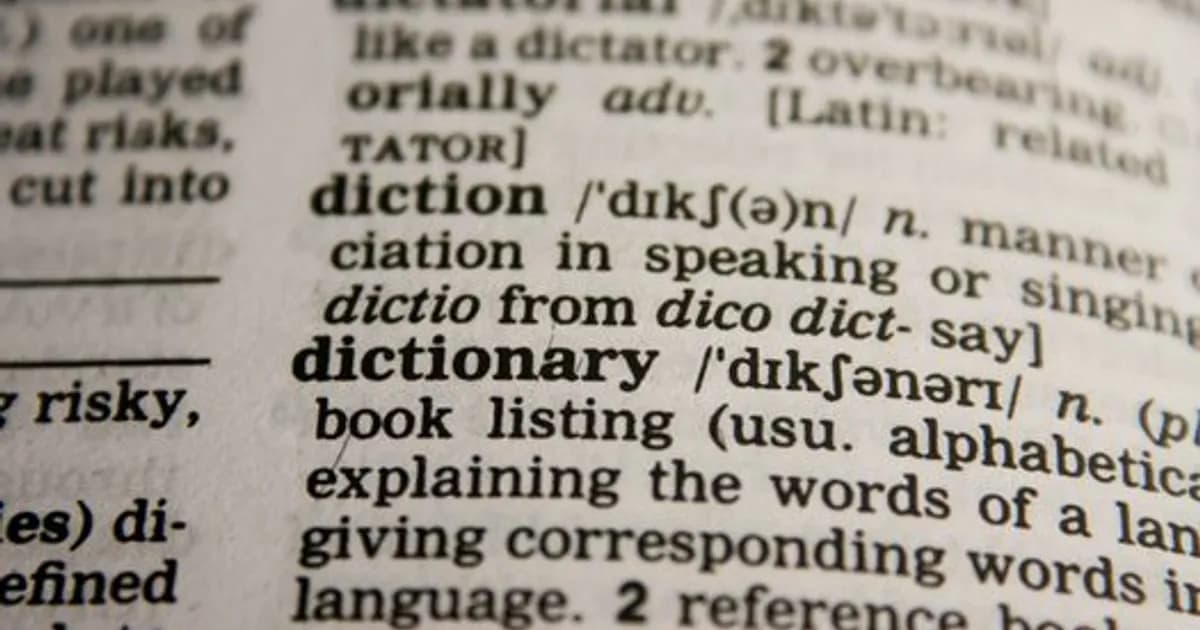
AI Translation September 2026: The State of Language AI
AI translation in September 2026 has crossed thresholds that matter for real use. Real-time voice translation that's actually usable in conversation, document translation accurate enough for professional use in many contexts, and multimodal translation that handles images and video — these are no longer aspirational categories.
That said, the capabilities are uneven across languages, domains, and use cases. Understanding where AI translation is genuinely good and where it still falls short is practically important for anyone building global products, working across language barriers, or making decisions about where to invest in language operations.
Real-Time Voice Translation: What Works
Real-time spoken language translation has been the hardest problem in language AI — it requires fast speech recognition, translation, and synthesis, all with low latency, while handling disfluencies, accents, background noise, and the natural overlap of real conversation.
The state in September 2026:
High-resource language pairs: Translation between major language pairs — English, Spanish, French, German, Mandarin, Japanese, Korean, Portuguese, Arabic — in clear audio conditions is good enough for substantive conversation. Latency has been reduced to the point where natural conversational rhythm is possible, not just formal exchange.
Device-native implementations: Both Apple and Google have baked real-time translation into their device software, making it available without a network connection for a growing number of language pairs. The quality of on-device translation has improved substantially with smaller, faster models.
Conference and meeting translation: Platforms including Zoom, Teams, and Google Meet provide real-time caption translation in meetings. Accuracy on technical business content has improved significantly; the main remaining limitation is domain-specific terminology.
Earpiece translation hardware: Dedicated translation earpieces — consumer products designed for real-time ear-to-ear translation in conversation — have improved. The use case isn't seamless natural conversation, but for scripted or structured exchanges (tourism, basic business interaction, medical consultations with interpreters unavailable) they're genuinely useful.
Where it still struggles: Heavily accented speech, multiple simultaneous speakers, low-resource language pairs, and highly colloquial or idiomatic speech remain challenges. Technical jargon in specialized domains (medicine, law, engineering) has improved but still requires domain adaptation.
Document and Text Translation
Text translation has moved furthest along the accuracy curve:
General content: For general-domain text — news, business correspondence, marketing content, web pages — AI translation quality between major language pairs is now good enough that most readers can't distinguish it from professional human translation. This has transformed localization economics.
Technical documentation: Software documentation, user manuals, and product content in major language pairs can be AI-translated with quality sufficient for production use with human review for terminology consistency. The human review step remains important but has changed from translation to editing.
Legal and regulatory: Legal translation remains an area where professional human translators are essential for documents with legal force. The risk of a subtly wrong translation in a contract, regulatory filing, or patent is too high. AI is used for first-pass understanding and legal teams' internal research, but not for final legal documents.
Medical and clinical: Patient-facing materials in major language pairs can be AI-translated with appropriate human review. Clinical trial documentation, regulatory submissions, and clinical protocols still require professional medical translation.
Literary and creative: Literary translation remains deeply human. The subtlety of literary voice, culturally embedded meaning, and the craft of rendering prose that works in another language can't be automated. AI provides a first draft that can serve as scaffolding for human literary translators, not a finished product.
Low-Resource Languages: A Persistent Gap
The most significant gap in AI translation is between high-resource and low-resource languages. Major language pairs have benefited from enormous training data; languages with fewer speakers, less written digital content, or fewer native speaker contributors to training data lag significantly.
This is not a neutral gap. The majority of the world's languages are low-resource by the measures that matter for AI. People who speak low-resource languages as their primary language have significantly less access to the benefits of AI translation.
Progress is being made. Meta's work on translation for underrepresented languages and research from academic groups focused on low-resource NLP have pushed capability forward. But the gap remains large and is not closing as fast as the aggregate improvement in AI translation quality might suggest.
Multimodal Translation
Translation has expanded beyond text:
Image translation: AI that translates text in images — signs, menus, product labels, printed documents photographed on a phone — has become practical. This was a hard problem because it requires OCR, text detection, translation, and rendering the translation back into the image in appropriate style.
Video subtitling: Automated subtitle generation and translation for video content has transformed content localization. Creator platforms build this in; dedicated localization tools serve the professional market. The combination of AI transcription, translation, and timing alignment has made multilingual subtitling feasible at volumes that weren't economically possible manually.
Voice cloning for dubbing: AI that translates spoken content and recreates it in the original speaker's voice in another language has moved from research to limited production use. Quality is improving; the uncanny valley in voice dubbing is shrinking. For content where dubbing authenticity matters, human voice talent still produces better results, but the gap is narrowing.
The Translation Industry Impact
The professional translation industry has changed significantly:
Volume of work has grown: Demand for translated content has increased substantially as global digital communication expands. AI hasn't reduced the total market for translation — it's enabled content at volumes that would have been economically unviable.
Task distribution has shifted: Professional translators are working more as post-editors of AI output, terminology specialists, and subject-matter experts rather than translating from scratch. This is a real change in the work, and not every translator has made the transition successfully.
Premium for specialized expertise: Legal, medical, technical, and literary translation that genuinely requires deep domain expertise plus language skill remains well-compensated professional work. Generic translation of general-domain content has commoditized.
New roles: Localization AI management — overseeing AI translation quality, building translation memories and glossaries, managing terminology — is a growing professional function.
Practical Guidance for 2026
For organizations with translation needs in September 2026:
Audit your translation volume by type: High-volume general content (website localization, product descriptions, support content) in major language pairs is a strong AI use case. Specialized, high-stakes, or creative content needs human expertise.
Build translation memory and glossaries: AI translation quality improves significantly when given organizational terminology and past translation examples. Investing in these assets compounds.
Choose tools with domain adaptation: General-purpose AI translation is good; translation AI fine-tuned for your domain (legal, medical, technical) is better.
Plan for low-resource languages: If your audience includes speakers of low-resource languages, current AI translation quality may be insufficient and you may need to invest in human language services.
Human post-editing for customer-facing content: Even when AI translation quality is high, a human review step for customer-facing content in your highest-value language markets protects brand and catches errors that matter.
For context on how AI language capabilities connect to the broader model landscape, see our coverage of Next-Gen AI Models: What's New in September 2026.
Comments
Loading comments...