
AI in Elder Care 2026: Technology Supporting Seniors at Home
AI in Elder Care 2026: Technology Supporting Seniors at Home
AI elder care tools are changing what it means to age at home. For the first time, technology can provide continuous health monitoring, detect emergencies, reduce isolation, and support medication adherence—without requiring constant in-person caregiver presence. That matters enormously as aging populations grow and the supply of professional caregivers remains strained.
In 2026, AI elder care has moved from experimental to practical. Families, care providers, and healthcare systems are actively deploying these tools, and the technology has matured enough to be genuinely useful rather than merely promising.
The Challenge AI Elder Care Addresses
The core challenge is scale. In the United States alone, tens of millions of adults over 65 live independently or semi-independently, and the ratio of working-age adults to retirees is shrinking. Family caregivers are often remote and can't provide continuous oversight. Professional home care is expensive and in short supply.
The practical consequences are serious:
- Falls are the leading cause of injury among older adults, and many go undetected for hours
- Medication non-adherence contributes to tens of thousands of hospitalizations annually
- Social isolation is associated with significant cognitive and physical decline
- Early signs of cognitive change often go unnoticed until they become crises
AI tools address each of these challenges in ways that manual or periodic check-ins cannot. The National Institute on Aging has identified technology-assisted monitoring as one of the most promising areas for improving outcomes in aging populations.
Fall Detection and Emergency Response
Fall detection has been the first killer application for AI elder care. Wearable devices and ambient sensors now use AI to distinguish between normal movement and falls with high accuracy, triggering emergency alerts automatically.
Current solutions range from smartwatch-based detection (Apple Watch, Samsung Galaxy Watch) to passive ambient sensors that monitor movement without requiring the senior to wear anything. Passive systems are particularly valuable for individuals who forget or refuse to wear devices.
The AI improvements in 2026 are meaningful: better discrimination between falls and normal activities (sitting down quickly, dropping something) reduces false alarm fatigue, which was a significant barrier to adoption in earlier systems. When false alarms are frequent, families and seniors start ignoring them—exactly the wrong outcome.
Health Monitoring and Early Warning Systems
Beyond emergency response, AI elder care tools now offer continuous health monitoring:
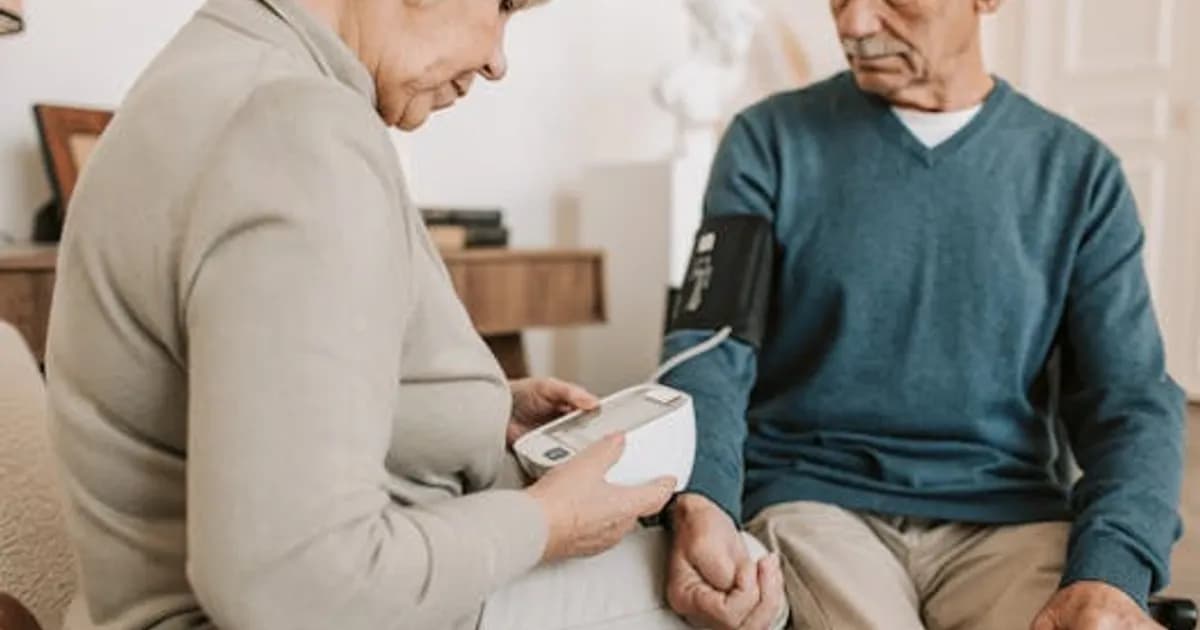
Vital sign tracking. Devices monitor heart rate, blood oxygen, sleep quality, and activity levels. AI analyzes trends over time, flagging anomalies that might indicate a developing health issue before it becomes a crisis.
Gait analysis. Changes in walking pattern are an early indicator of several serious conditions, including Parkinson's disease, cardiovascular problems, and cognitive decline. AI sensors in the home environment can track gait patterns and alert caregivers when meaningful changes occur.
Cognitive monitoring. Some systems analyze patterns in daily routine—when a person wakes up, how long they spend in each room, whether they're making meals—to detect early signs of cognitive decline. Changes in routine that correlate with early-stage dementia can be flagged for follow-up clinical evaluation.
These tools supplement rather than replace AI-assisted medical diagnosis—the goal is creating a richer data stream that supports better clinical decisions.
Medication Management
Medication non-adherence is expensive and dangerous in elderly populations. AI-powered medication management systems have improved significantly:
- Smart pill dispensers release the correct medications at the correct times, with alerts if a dose is missed
- AI apps track medication schedules and send reminders via phone, smart speaker, or display devices
- Some systems integrate with pharmacies and care teams to flag potential interactions when prescriptions change
For seniors managing multiple chronic conditions and complex medication schedules, these tools reduce error rates substantially compared to manual management.
Social Connection and Cognitive Engagement
Isolation is one of the most serious but least-discussed risks in aging populations. AI mental health apps have begun extending into elder care contexts, with AI companions designed specifically for older adults.
These tools aren't attempting to replace human connection—they provide engagement during the many hours when family or professional caregivers aren't present:
- Conversational AI companions that can discuss memories, current events, or family topics
- Cognitive exercise apps that adapt to individual ability and track engagement over time
- Video calling tools with simplified interfaces that make staying connected with family easier
Evidence on the efficacy of AI companions is still accumulating, but early results suggest meaningful reductions in loneliness scores for isolated elderly users who engage regularly with these tools.
Caregiver Support and Remote Oversight
AI elder care tools benefit caregivers as much as the seniors themselves. For adult children managing aging parents from a distance, these systems provide:
- Real-time dashboards showing activity levels, sleep, and health metrics
- Alert systems that escalate to family members when predefined thresholds are crossed
- Care coordination tools that help manage schedules across professional and family caregivers
- Documentation of care activities for care planning and healthcare provider communication
This visibility reduces caregiver anxiety without requiring constant check-in calls that can feel intrusive to the senior.
Privacy and Ethical Considerations
AI elder care involves continuous monitoring of highly personal information, and that creates real ethical questions. Key considerations:
Consent. Seniors should actively choose to use monitoring tools, not have them imposed. Consent becomes more complex when cognitive decline affects decision-making capacity, which is why family and legal frameworks need to be established before that point is reached.
Data security. Health data is highly sensitive. Vendors must demonstrate strong encryption, limited data retention, and clear policies on who can access monitoring data.
Dignity and autonomy. The goal is supporting independence, not surveillance. Tools should be designed to alert when help is needed, not to generate constant oversight that undermines the senior's sense of agency.
Conclusion
AI elder care in 2026 offers a genuine opportunity to improve safety, health outcomes, and quality of life for older adults while reducing the burden on family and professional caregivers. The technology has matured past proof-of-concept into practical, deployable systems.
Start by identifying the most pressing needs—emergency response, medication management, isolation, or cognitive monitoring—and evaluate tools that address those specifically. The best implementations add meaningful safety without making seniors feel surveilled. For families beginning this conversation, the key is involving the older adult as a partner in choosing and configuring the technology, not presenting it as something being done to them.
Comments
Loading comments...