
AI in Dentistry 2026: Smarter Diagnostics and Care
AI in Dentistry 2026: Smarter Diagnostics and Care
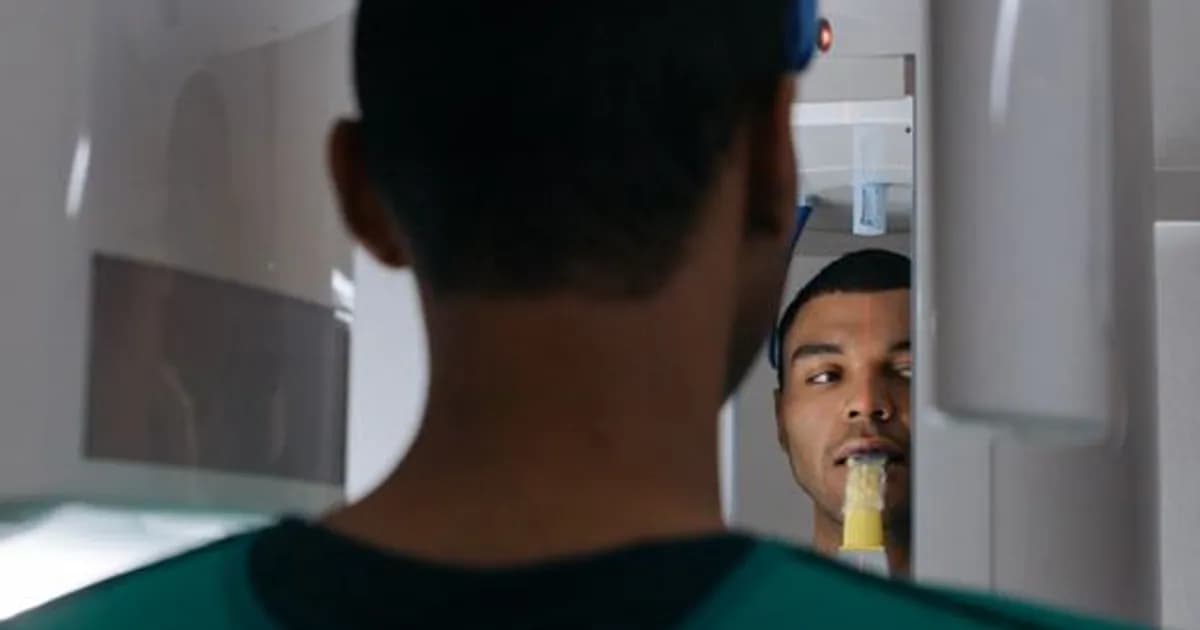
A routine dental X-ray contains more information than most patients realize, and AI in dentistry in 2026 is increasingly the reason a hygienist or dentist catches a problem that would have been easy to miss. Image-analysis models trained on millions of annotated radiographs now flag early cavities, bone loss, and other findings in seconds, often before the dentist has finished reviewing the scan themselves.
This isn't a futuristic concept anymore. It's a practical tool that's spreading through general dentistry practices, especially as the technology has matured enough that professional bodies are now writing formal standards around how it should be validated and used.
Where AI Shows Up in the Dental Chair
The most mature use case is radiograph analysis. AI models scan bitewing and panoramic X-rays for signs of decay, periodontal bone loss, and other abnormalities, presenting findings as highlighted regions the dentist reviews and confirms rather than relies on blindly.
Beyond imaging, AI has moved into several other parts of a dental practice:
- Treatment planning — software that suggests restoration options or flags cases that may need a specialist referral based on imaging and patient history
- Caries risk scoring — combining imaging findings with patient-level risk factors like diet, hygiene habits, and prior treatment history
- Practice operations — scheduling optimization, insurance claims processing, and payment integrity checks that reduce administrative overhead
- Patient communication — visual explanations generated from a patient's own scans, making it easier to explain why a procedure is recommended
The clinical applications get the most attention, but the operational ones are quietly saving practices a meaningful amount of staff time, which matters most for smaller offices without a large administrative team.
The Standards Are Catching Up to the Technology
For years, AI in dentistry was something of a Wild West — promising results in marketing materials, with little independent validation of how the underlying models were trained or tested. That's changed substantially in the past two years.
The American Dental Association has published detailed guidance on AI's clinical and nonclinical uses in dental practice, covering image analysis applications across prevention, caries and periodontal disease detection, oral and maxillofacial surgery, endodontics, and orthodontics. The ADA has also worked with ANSI on the first formal US standard addressing how AI image-analysis systems for dentistry should be validated, focused specifically on image annotation and data collection quality — the foundation that determines whether a model's claims actually hold up in a real practice.
That standards work matters because dental AI tools live or die on the quality of their training data. A model trained primarily on one demographic, one type of imaging equipment, or one disease prevalence pattern can perform very differently in a practice that doesn't match those conditions.
Small Practices Face a Real Adoption Gap
Despite the clinical promise, adoption isn't evenly distributed. Large dental service organizations and hospital-affiliated practices have the capital and IT support to integrate AI tools into existing imaging systems. Independent and rural practices often don't, and that gap has become part of the broader policy conversation.
This connects directly to concerns raised in broader healthcare AI policy discussions, similar to those covered in AI in Healthcare 2026: Transforming Medical Diagnosis, where access and equity questions trail close behind every clinical capability gain. Professional dental associations have specifically flagged that AI adoption requires real investment, and that smaller and rural offices need support to avoid falling further behind larger competitors.
What Dentists Are Actually Skeptical About
Not every dentist has embraced AI enthusiastically, and the skepticism is generally specific rather than blanket resistance.
The most common concern is false positives — a model flagging a shadow or artifact as decay, which can lead to unnecessary procedures if a dentist defers too heavily to the software rather than treating it as a second opinion. The opposite failure mode, missed findings the AI didn't flag, is less common in practice but carries higher professional liability risk if a dentist comes to rely on AI screening as a substitute for careful manual review rather than a supplement to it.
There's also a workflow friction problem. Tools that don't integrate cleanly with a practice's existing imaging software and electronic records system tend to get used inconsistently, regardless of how accurate the underlying model is. The practices reporting the best results are generally the ones that picked tools built to plug into systems they already use, rather than standalone software that requires duplicate data entry.
How Treatment Planning Is Slowly Shifting
Diagnosis gets the headlines, but treatment planning is where AI's role is expanding most quietly. Software that models how a restoration, crown, or orthodontic plan will look and function before it's executed gives both the dentist and patient more confidence in a recommended approach, and it's increasingly tied directly into imaging-derived risk scores rather than treated as a separate step.
A few patterns are becoming standard among practices that have integrated AI well:
- Use AI flagging as a first-pass screen, with every flagged finding confirmed by the dentist before it becomes part of a treatment plan
- Track false-positive and false-negative rates against actual outcomes over time, not just vendor-reported accuracy claims
- Choose tools that integrate with existing imaging and records systems rather than ones requiring separate logins and duplicate uploads
- Use AI-generated visual explanations to improve patient understanding and treatment acceptance, not just internal efficiency
Dental Schools Are Adjusting Their Curriculum
A quieter but significant shift is happening in dental education. Schools that trained dentists almost entirely on manual radiograph interpretation are now incorporating AI-assisted review into clinical training, on the theory that new dentists will spend their careers working alongside these tools rather than instead of them.
That curriculum shift reflects a broader recognition that interpreting an AI model's output well is its own skill, separate from interpreting a radiograph unaided. A new dentist needs to understand not just what a model flagged, but how confident that flag actually is, what kinds of cases the model tends to get wrong, and when a finding warrants a second look rather than automatic acceptance.
Continuing education programs for practicing dentists have followed a similar pattern, with professional development courses increasingly covering how to evaluate an AI tool's claims before adopting it — what validation data backs a vendor's accuracy numbers, and whether that validation reflects the patient population a given practice actually serves.
This matters because a dentist who treats AI output as infallible is just as much of a liability risk as one who ignores it entirely. The practices getting the most value from these tools are generally the ones training staff to use AI output as one input among several, not a final verdict.
Conclusion
AI in dentistry in 2026 has moved well past the pilot-project stage for image analysis, with formal standards now in place to back up what was previously marketing-driven hype. The clinical case is strongest as a second set of eyes on radiographs and a tool for more transparent treatment planning, not as a replacement for a dentist's judgment. If your practice hasn't evaluated an AI imaging tool yet, the standards and validation work now available make it a far less speculative decision than it was even a year ago.
Comments
Loading comments...