
AI Movie Marketing 2026: Trailers, Posters, and Targeting
AI Movie Marketing 2026: Trailers, Posters, and Targeting
AI movie marketing has become one of the more visible — and more contested — uses of generative AI in entertainment this year. Studios are using AI tools to produce multiple trailer cuts and poster variants for testing, target ad spend with much finer audience precision, and compress marketing timelines that used to require far larger creative teams and far more lead time.
The technology side of this is genuinely useful for studios trying to stretch marketing budgets across more titles and more platforms. The human side is messier, with marketing creatives, editors, and labor representatives raising real concerns about what gets automated and what that means for the people who used to do this work by hand.
From One Trailer to Dozens of Variants
Traditionally, a film's marketing campaign centered on one or two hero trailers, crafted over weeks by editors working closely with footage, music, and pacing to land a specific emotional tone. That process hasn't disappeared, but it's now often paired with AI tools that generate many additional shorter cuts — different pacing, different emphasis, different music — specifically built for A/B testing across digital platforms.
Studios use these variant cuts to see which version drives more clicks, more trailer completions, or more ticket pre-sales among different audience segments, then shift ad spend toward whichever version performs best for a given platform or demographic. This is a direct import of digital advertising testing methodology into film marketing, just applied to trailers instead of banner ads.
Poster Generation and the Same A/B Logic
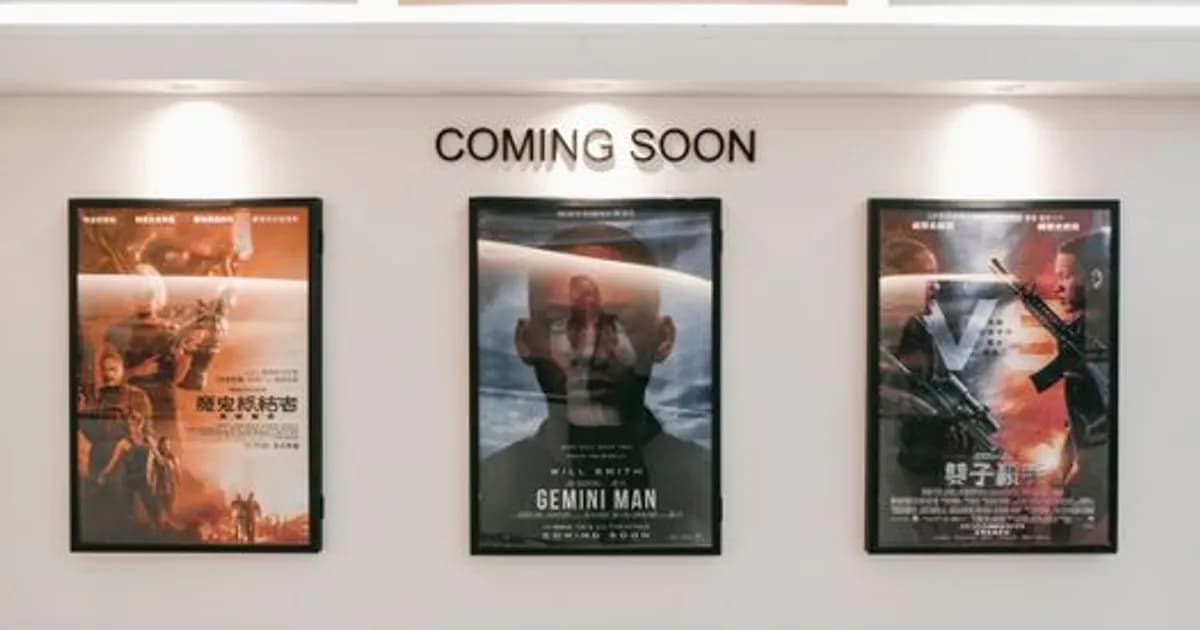
Posters have gone through a similar shift. AI image generation tools can now produce dozens of poster variants — different color treatments, different character emphasis, different taglines — far faster than commissioning new key art from scratch for each option.
Studios test these variants the same way they test trailer cuts: serve different versions to different audience segments online, measure click-through and engagement, and converge on whichever options perform best before committing marketing budget to wider rollout. The underlying key art and photography is typically still produced through traditional means; what AI tools accelerate is the volume of variations built from that source material.
AI Movie Marketing Sharpens Audience Targeting
The targeting side of AI movie marketing may be the part with the biggest budget impact, even though it's less visible to audiences than trailers or posters. AI-driven targeting models analyze viewing history, search behavior, and engagement patterns to identify which audience segments are most likely to respond to a given title, then allocate ad spend toward those segments with much finer granularity than older demographic-bucket targeting allowed.
This matters financially because marketing budgets for major releases are enormous, often rivaling production budgets themselves. Even modest improvements in targeting efficiency translate into real savings or, just as often, into stretching the same budget across more simultaneous campaigns as studios release more content across more platforms.
Common targeting approaches studios now use include:
- Lookalike audience modeling, finding new viewers who resemble people who already engaged with similar past titles
- Cross-platform behavioral signals, blending streaming history, social engagement, and search data where available
- Geographic and cultural localization, adjusting which trailer cuts or poster variants get served in different international markets
- Real-time budget reallocation, shifting spend toward whichever channels are converting best as a campaign runs, rather than locking in a media plan weeks in advance
Where the Pushback Is Coming From
None of this has rolled out without friction. Marketing creatives — copywriters, editors, designers who built careers on exactly the kind of trailer-cutting and poster-design work AI tools now assist with or partially automate — have voiced concern that volume-based AI testing devalues craft in favor of whatever variant scores best on an engagement metric, regardless of whether it's actually good marketing.
There's also a labor dimension. Entertainment industry labor agreements reached in recent years addressed AI use in productions and performances directly, and marketing departments have faced parallel questions about consent and compensation when AI tools are trained on or incorporate footage, voice, or likeness from a film's cast. Some of that tension overlaps with broader entertainment labor fights, which Hollywood AI Labor Deals 2026: What Changed for Actors covers in more depth.
Audiences have occasionally pushed back too, particularly when AI-generated marketing material has looked obviously synthetic or has felt like it misrepresented a film's actual tone — a poster or trailer cut optimized purely for clicks rather than honest representation of the movie itself. Studios have generally responded to visible backlash by pulling or revising flagged material quickly, treating it as a reputational risk rather than digging in.
What Studios Say They're Protecting
Studio marketing executives have generally drawn a line between AI assisting the testing and targeting process and AI replacing creative decision-making outright. The stated position at most major studios is that:
- Core creative concepts for a campaign still originate from human marketing teams and agencies
- AI tools are used primarily for variant generation and testing, not for the foundational creative direction
- Final approval on what audiences actually see remains a human sign-off, not an automated process
- Talent likeness and performance footage used in AI-assisted marketing material is subject to the same consent and compensation frameworks negotiated in recent labor agreements
Whether that line holds consistently across every studio and every campaign is harder to verify from the outside, and it's exactly the kind of distinction labor representatives are watching closely as the next round of industry agreements approaches.
The International Marketing Wrinkle
AI movie marketing has also changed how studios approach international rollouts, which historically required separate creative work for major markets due to cultural and language differences. AI-assisted localization tools can now adapt trailer pacing, on-screen text, and even certain visual elements for specific regional markets faster than the older process of commissioning entirely separate international cuts and key art from local marketing teams.
This hasn't eliminated local marketing expertise from the process. Studios still rely on regional teams to judge whether a particular trailer cut or poster concept will actually land with a local audience, since cultural nuance is exactly the kind of judgment call that AI localization tools handle unevenly. What's changed is that those regional teams now often start from a wider set of AI-generated variants tailored to their market rather than building every option from scratch, which has shortened international release timelines that used to lag well behind a film's domestic launch.
The Bottom Line
AI movie marketing in 2026 has made campaigns faster to produce and sharper in where they spend money, which is a real efficiency gain for studios managing tight budgets across crowded release calendars. It has also opened a genuine fault line between marketing efficiency and the creative and labor concerns of the people whose work the technology is built to accelerate.
For more on how AI is changing the production side of filmmaking itself, AI in Film Production 2026: How Hollywood Uses AI Tools covers that ground in detail. And if targeted advertising more broadly interests you, AI in Advertising 2026: Personalized Ads and Brand Safety explores the same targeting techniques applied outside entertainment. Industry groups like the MPA (https://www.motionpictures.org) continue to weigh in on how studios should responsibly deploy these tools as the technology and the labor conversation both keep evolving.
Comments
Loading comments...