
AI Grocery Shopping in 2026: Smart Carts, Lists, and Prices
AI Grocery Shopping in 2026: Smart Carts, Lists, and Prices
Push a cart through a major grocery chain in 2026 and there's a good chance it's doing more than holding your bags. AI grocery shopping has moved from pilot programs to everyday infrastructure, and the changes show up at almost every step of the trip — before you leave home, while you're in the aisle, and at checkout.
This isn't a single product. It's a stack of overlapping technologies: computer vision in the cart, recommendation engines in the app, forecasting models in the supply chain, and pricing algorithms on the shelf tag. Each piece changes a different part of the experience, and together they add up to a shopping trip that looks noticeably different from five years ago.
Below is a grounded look at how AI grocery shopping is actually playing out in stores right now, not a forecast of what might happen someday.
AI Grocery Shopping Starts With Smart Carts
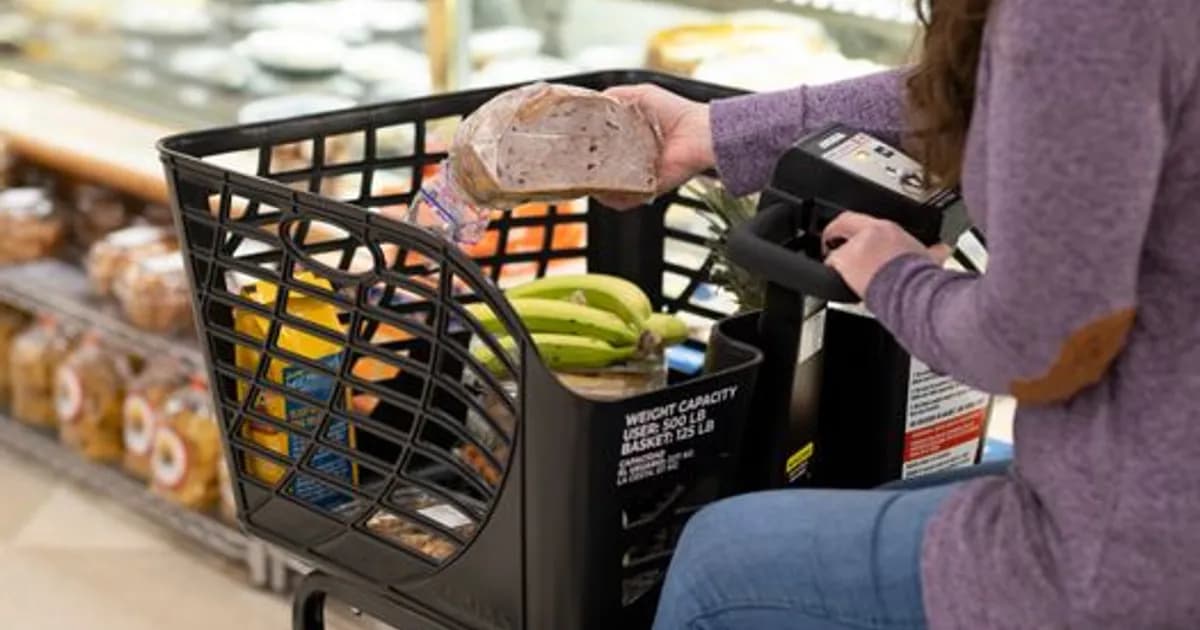
The most visible change is the cart itself. Smart shopping carts equipped with cameras and weight sensors, in the style of Amazon's Dash Cart, can identify items as you place them inside and keep a running total without anyone touching a register. You load groceries the way you normally would, and the cart's onboard system handles recognition and tallying in the background. This is AI grocery shopping in its most physical form — the algorithm rides along with you.
Several large U.S. chains have rolled out similar carts under their own branding, often paired with a "scan as you go" mobile option for shoppers who'd rather use their phone than a dedicated cart. The appeal for retailers is straightforward: shorter lines, fewer staffing bottlenecks at peripherals, and data on exactly what shoppers pick up and put back.
For shoppers, the pitch is convenience — you see a running total as you shop, which helps with budgeting, and you skip the traditional checkout line entirely. These carts also tie into loss prevention systems that flag mismatches between what's scanned and what's actually in the cart, an area covered in more depth in AI Self-Checkout Loss Prevention in 2026.
Smart carts aren't universal yet. Adoption skews toward larger-format stores with the floor space and budget to support the hardware, and rural or smaller-footprint locations are likely to lag for a while.
Personalized Lists and Recommendations
AI grocery shopping is also rewriting what shows up on your screen before you even start adding items. Retailers like Kroger and delivery platforms like Instacart use purchase history, household size signals, and browsing behavior to surface a shopping list that's tailored rather than generic.
This goes beyond "customers who bought this also bought that." Modern systems factor in:
- Purchase cadence — predicting when you're likely to run out of a staple like coffee or paper towels
- Substitution logic — suggesting a comparable item when your usual brand is out of stock
- Seasonal and recipe-driven prompts tied to what's trending in your region
- Dietary preferences and restrictions flagged in your profile
The result is an app experience that increasingly resembles a shopping assistant rather than a search bar. This mirrors a broader pattern across online retail, where personalization engines have become central to how stores compete — a trend explored further in AI in E-Commerce 2026: Personalization Driving More Sales.
The accuracy of these recommendations varies by retailer and by how much purchase history they actually have on a given shopper. A loyalty-card regular gets sharper suggestions than someone shopping anonymously or paying in cash, which is part of why AI grocery shopping still feels uneven from one chain to the next.
AI Dynamic Pricing on Perishables
Walk past the meat or produce section in some stores now and the shelf tag price might be different than it was an hour ago. AI dynamic pricing grocery systems adjust markdowns on perishable goods — meat, dairy, bakery items, ready-to-eat meals — based on factors like remaining shelf life, current inventory levels, and sales velocity.
The logic is simple even if the models behind it aren't: a steak nearing its sell-by date is worth more to the store discounted today than thrown away tomorrow. Electronic shelf labels, now common in many large chains, make it possible to update prices store-wide in seconds instead of sending an employee around with a sticker gun.
This kind of AI dynamic pricing isn't limited to clearance bins. Some retailers are experimenting with modest price adjustments earlier in a product's shelf life, nudging shoppers toward items that need to move before they become discount candidates. The goal is to thin out at-risk inventory before it becomes waste rather than after.
For shoppers, this means more aggressive and more frequent markdowns on items close to their sell-by date — genuinely good news for anyone willing to plan a meal around what's discounted that day.
Cutting Food Waste Through Demand Forecasting
Dynamic pricing handles waste at the shelf level, but the bigger lever is upstream: predicting demand accurately enough that stores order the right quantities in the first place. AI demand forecasting models pull in historical sales, weather patterns, local events, and even social trends to estimate how much of a perishable item a specific store location will actually sell in a given window.
Get this right and a store avoids two expensive mistakes — running out of a popular item, or over-ordering something that ends up in the dumpster. Industry groups like the Food Industry Association have long flagged food waste as a major cost and sustainability issue for grocers, and forecasting tools are one of the more concrete levers retailers have to address it at the store level.
The forecasting models also feed back into ordering systems automatically, adjusting purchase orders for fresh categories almost in real time rather than relying on a weekly manual review. The USDA's Economic Research Service has tracked food loss and waste data for years, and grocery-level forecasting is increasingly treated as a meaningful intervention point alongside farm and household-level efforts. This is one of the quieter but most consequential parts of AI grocery shopping — most of it happens before a customer ever walks in.
From Fridge to Cart: AI-Generated Shopping Lists
Perhaps the most direct expression of AI grocery shopping for everyday users is the rise of apps that build your list for you. Some apps use a photo of your fridge or pantry, identifying what's on hand and flagging what's running low. Others connect directly to meal-planning tools, generating an AI grocery list from a week's worth of planned dinners.
The mechanics typically work like this:
- You input or photograph what you already have, or select meals you plan to cook
- The app cross-references ingredients against your existing inventory
- It generates a list of exactly what's missing, often sorted by store aisle
- Some versions send that list directly into a retailer's app or cart for one-tap ordering
This approach reduces both over-shopping and the frustration of getting home and realizing you forgot something. It pairs naturally with meal-planning software, a category covered in detail in Best AI Meal Planning Apps in 2026, since a meal plan is really just an AI grocery list waiting to be generated.
Accuracy still depends on the quality of the input. A blurry fridge photo or an incomplete pantry scan can lead to a list with gaps, so most of these AI grocery shopping tools work best as a starting point you review rather than a fully hands-off solution.
Privacy and Data Questions Worth Asking
None of this works without data, and that's worth pausing on. Smart carts know what you pick up and put back. Personalization engines track purchase history across months or years. Fridge-scanning apps may have a literal photographic inventory of what's in your kitchen.
A few questions are worth asking before opting into the more invasive features:
- What data does the loyalty program or app actually retain, and for how long?
- Is purchase data shared with or sold to third parties, including for ad targeting?
- Can you opt out of camera-based tracking in a smart cart while still using it?
- Does the retailer disclose how dynamic pricing decisions are made?
Most major retailers publish privacy policies covering this, though the details are often buried and the defaults tend to favor data collection. The National Retail Federation has published guidance on responsible AI use in retail settings, reflecting industry awareness that trust is part of what makes AI grocery shopping sustainable for the long term rather than a short-lived trend.
The Bottom Line
AI grocery shopping in 2026 is no longer an experiment confined to flagship stores in major cities — it's becoming the default way large chains manage carts, prices, and inventory. Smart carts speed up checkout, personalization engines shape what you see before you even open the app, dynamic pricing moves perishables before they're wasted, and demand forecasting keeps shelves stocked without overordering.
None of these tools are mandatory, and none of them work perfectly yet. But if you've been shopping the same way for the last decade, it's worth spending one trip actually using your retailer's app, scanning your pantry with a list-building tool, or paying attention to those shifting shelf tags. The fastest way to understand how AI grocery shopping is changing your weekly routine is to try the features your store already has switched on.
Comments
Loading comments...