
AI Fertility Clinics in 2026: Smarter IVF, Better Odds
AI Fertility Clinics in 2026: Smarter IVF, Better Odds
AI fertility clinics are no longer a novelty tucked into a handful of research hospitals. In 2026, embryologists at clinics across the US, UK, and Asia routinely use machine learning models to grade embryos, predict implantation odds, and flag genetic abnormalities long before a doctor would catch them under a microscope. For the roughly one in six couples worldwide who experience infertility, that shift is changing how IVF cycles are planned and, in many cases, how quickly they succeed.
This isn't about replacing embryologists. It's about giving them tools that catch patterns the human eye reliably misses, especially when a clinic is staring down dozens of embryos and a narrow window to choose the best one or two for transfer.
Why Embryo Selection Has Always Been the Bottleneck
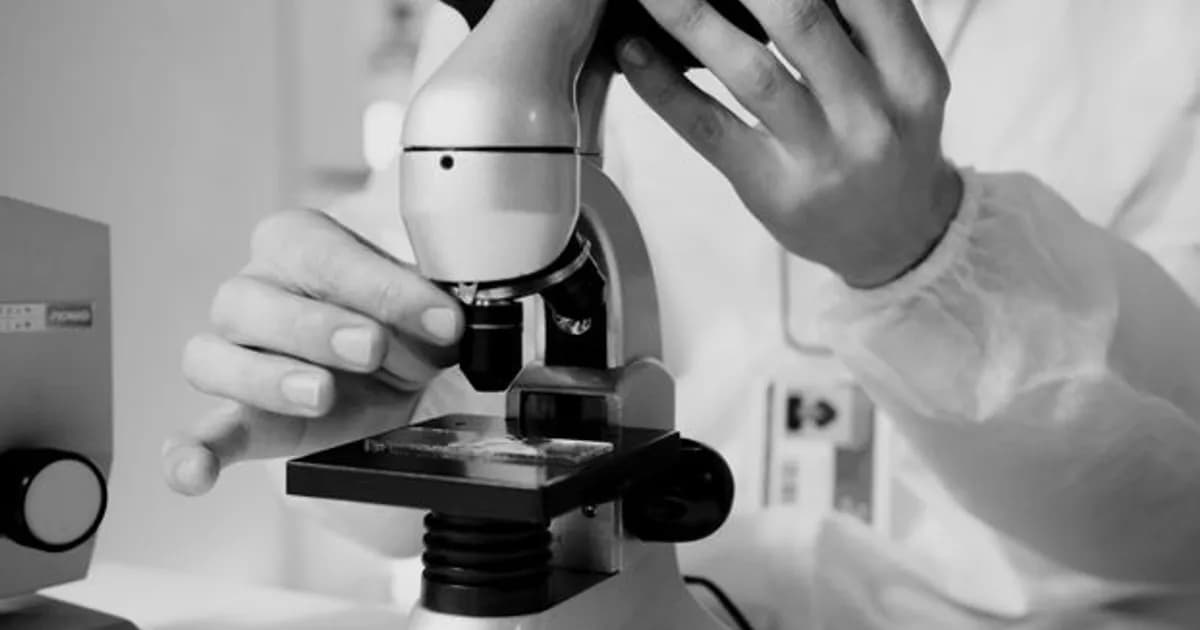
Traditional embryo grading relies on an embryologist visually assessing cell division, symmetry, and fragmentation under a microscope at specific time points. It's a skill that takes years to develop, and even experienced specialists disagree with each other roughly a third of the time when grading the same embryo.
That variability matters enormously. Choosing the wrong embryo for transfer means a failed cycle, weeks of hormone treatments, and tens of thousands of dollars spent for nothing. Clinics have spent decades trying to standardize grading criteria, but subjectivity never fully went away.
How AI Models Grade Embryos Differently
Modern embryo-grading systems use time-lapse imaging from incubators, capturing thousands of frames as an embryo develops over five to six days. Computer vision models trained on outcomes data, not just appearance, learn to associate specific developmental patterns with actual pregnancy and live-birth results.
The key difference from older grading methods:
- Continuous monitoring instead of single snapshots, so the model sees the full trajectory of cell division timing.
- Outcome-trained scoring, ranking embryos by predicted implantation probability rather than subjective morphology grades.
- Consistency across clinics, since the same model grades the same way every time, removing inter-observer variability.
- Aneuploidy risk flagging, using non-invasive imaging cues correlated with chromosomal abnormalities, which can reduce (but not eliminate) the need for invasive genetic testing.
Several peer-reviewed studies have shown these models modestly improve live-birth rates per transfer compared to standard morphological grading, though results vary by clinic and patient population, and no model claims to guarantee a successful pregnancy.
Predicting Outcomes Before the Cycle Even Starts
Beyond embryo grading, clinics are using predictive models earlier in the process. By analyzing a patient's age, hormone levels, ovarian reserve markers, and prior cycle history, these systems estimate the likely number of viable eggs a stimulation protocol will produce and recommend medication dosing adjustments in real time.
This matters because over-stimulation carries health risks like ovarian hyperstimulation syndrome, while under-stimulation wastes a cycle. AI-assisted dosing doesn't eliminate the judgment call, but it gives physicians a data-backed starting point instead of relying purely on protocol templates and experience.
Lab Automation Is Quietly Reducing Human Error
A less visible but significant change is happening in the lab itself. Robotic systems now handle some sperm sorting, embryo culture media changes, and specimen tracking, reducing the risk of mislabeling or cross-contamination, which remain rare but devastating failure modes in fertility care. Automated incubators with built-in imaging also reduce how often embryos need to be removed for assessment, limiting exposure to temperature and pH fluctuations outside the womb-like environment they're cultured in.
Genetic Screening and Earlier Triage Get Smarter Too
Preimplantation genetic testing (PGT-A) already screens embryos for chromosomal abnormalities before transfer, but it's invasive, expensive, and not available at every clinic. AI models trained on time-lapse video are now being used as a triage step: instead of testing every embryo, clinics flag the ones with the highest probability of euploidy (a normal chromosome count) based on imaging alone, then reserve genetic testing for borderline cases. This doesn't replace genetic testing where it's clinically indicated, particularly for patients with a history of recurrent loss or known chromosomal translocations, but it can reduce the number of embryos that need to be biopsied, which lowers cost and risk. Fertility clinics running this kind of AI-assisted triage report that it changes workflow more than it changes outcomes for any single patient — fewer biopsies, faster turnaround on results, and less embryo handling overall.
AI is also showing up earlier in the fertility pipeline, before IVF is even on the table. Some fertility clinics now use predictive models to advise patients considering elective egg freezing on the likely number of eggs a given age and hormone profile will yield, helping people decide whether to freeze now or wait. On the sperm side, AI-assisted sperm sorting analyzes motility and morphology far faster than manual review, which matters for clinics processing samples for intrauterine insemination as well as IVF. None of this is exotic technology — it's mostly pattern recognition applied to images and lab values clinics already collect — but it changes how quickly a fertility specialist can turn raw data into a recommendation.
The Access and Equity Question
AI tools are concentrated in well-funded clinics, and the technology adds to per-cycle costs that are already out of reach for many patients. There's a real risk that AI-assisted IVF becomes another tier of care available mainly to people who can pay out of pocket, widening an access gap that already exists in reproductive medicine. Clinics and regulators are still working out how insurance coverage and clinical guidelines should treat these tools, and that conversation is far from settled. The CDC's ART data shows just how uneven IVF access and outcomes already are across US states, even before AI is factored in.
What Patients Should Actually Ask About
If you're considering a fertility clinic that markets "AI-powered" IVF, it's worth asking specific questions rather than taking the label at face value:
- What outcome data was the model trained on, and does it match your age group and diagnosis?
- Is the AI tool used for grading only, or does it influence dosing and treatment decisions too?
- What's the clinic's live-birth rate with and without the AI tool, if they track that separately?
- Is the system FDA-cleared or used as an investigational research tool?
Professional bodies like ASRM publish practice guidance that's worth reviewing alongside whatever a clinic's marketing materials claim. AI advances in precision medicine more broadly are following a similar pattern: real gains, but ones that need to be verified clinic by clinic rather than assumed.
The Bottom Line for 2026
AI fertility clinics represent incremental, measurable improvement rather than a revolution. Embryo selection is somewhat more consistent, dosing protocols are somewhat more personalized, and lab automation is somewhat safer. None of that turns IVF into a sure thing, and patients should be wary of any clinic promising otherwise. The honest pitch for this technology isn't "AI will get you pregnant" — it's "AI helps clinics make slightly better-informed decisions with the embryos and data they already have." For a process this emotionally and financially taxing, that's still worth a lot. If you're evaluating clinics, ask for their AI tool's track record directly, compare it against national benchmarks, and treat any guarantee of success as a red flag rather than reassurance.
Comments
Loading comments...