
AI Coastal Erosion Monitoring 2026: Shrinking Shorelines
AI Coastal Erosion Monitoring 2026: Shrinking Shorelines
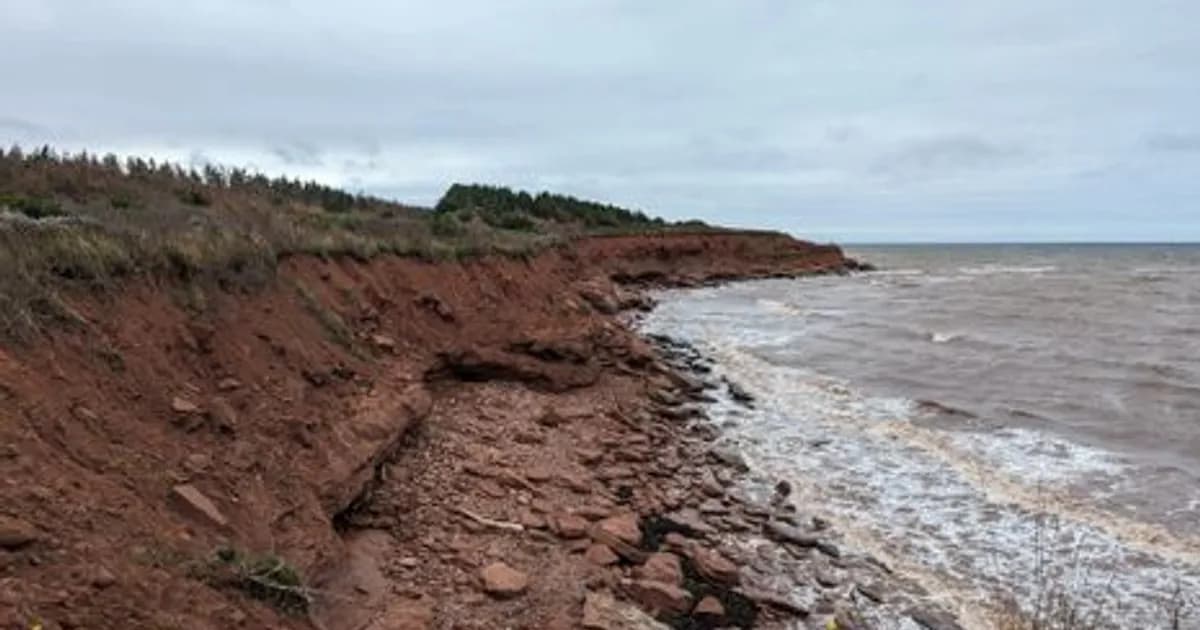
AI coastal erosion monitoring has become an essential planning tool for coastal towns and infrastructure agencies in 2026, as rising sea levels and intensifying storms accelerate shoreline loss in ways that traditional survey methods struggle to track at scale. Coastal erosion has always been measured to some degree through periodic surveys and aerial photography, but those snapshots, taken months or years apart, miss the gradual and sometimes sudden changes that determine whether a community has years or only months before infrastructure is genuinely at risk.
Continuous satellite monitoring paired with AI image analysis is changing that picture, giving planners a far more current and granular read on exactly where and how fast shorelines are retreating.
How AI Coastal Erosion Monitoring Works
Modern shoreline monitoring systems pull together several data sources to track change over time:
- Satellite imagery time-series analysis — automatically measuring shoreline position changes across repeated satellite passes, catching erosion trends that would be nearly invisible in any single image
- Drone-based elevation mapping — generating precise, repeatable terrain models of dunes, bluffs, and beach profiles to track volume loss after specific storm events
- Wave and tide sensor integration — correlating erosion rates with actual storm intensity and tidal patterns to separate routine seasonal change from genuinely accelerating long-term loss
- Predictive modeling — projecting likely future shoreline positions under different storm and sea-level-rise scenarios, giving planners a forward-looking view rather than just a historical record
That predictive layer has become particularly valuable for towns trying to plan infrastructure investments with multi-decade timelines, where the difference between a conservative and aggressive erosion projection can swing a multi-million dollar decision about whether to relocate a road or build a seawall.
Why Towns Are Investing Now
Coastal communities face an unusually difficult planning problem: erosion happens gradually most of the time, punctuated by sudden, dramatic loss during major storms, which makes it hard for local governments to justify proactive spending until a crisis is already underway. AI-based monitoring gives planners continuously updated data that makes the case for early action more concrete and harder to dismiss as alarmist, turning an abstract long-term risk into a measurable trend that's easier to act on before infrastructure is actually threatened.
The NOAA Office for Coastal Management has increasingly emphasized continuous monitoring data as a foundation for coastal resilience planning, reflecting a broader shift toward proactive, data-driven adaptation rather than reactive disaster response after major storm damage has already occurred.
Insurance and Property Value Implications
Coastal erosion monitoring data is increasingly showing up in insurance underwriting and property valuation decisions, as insurers look for more granular, current data than historical flood maps alone provide. Property owners along eroding shorelines are starting to see this data factor into premium calculations and, in some markets, mortgage availability — a shift that's making erosion monitoring relevant well beyond government planning offices and into individual real estate transactions.
This pattern echoes broader trends where climate-related risk data is increasingly built directly into financial and infrastructure decision-making rather than treated as a separate environmental consideration.
Prioritizing Limited Adaptation Funding
Most coastal communities don't have the budget to defend every stretch of vulnerable shoreline, which makes prioritization unavoidable. AI-generated erosion rate data, especially when combined with information about what infrastructure or population sits behind a given stretch of coast, gives planners a more defensible basis for deciding where to invest in seawalls, beach nourishment, or managed retreat first — decisions that are politically difficult under the best circumstances and considerably harder without solid supporting data.
Tracking Changes After Major Storms
Following hurricanes and major coastal storms, rapid post-event assessment is critical for understanding how much damage actually occurred and where emergency stabilization work is most urgently needed. AI-assisted analysis of pre- and post-storm satellite and drone imagery can generate that assessment far faster than ground survey teams working alone, helping emergency managers direct limited stabilization resources to the most critical damage first.
Managed Retreat and the Hardest Conversations
For some stretches of coastline, the data increasingly points toward an uncomfortable conclusion: no amount of seawall construction or beach nourishment will keep pace with erosion rates over the coming decades, and managed retreat — relocating structures and infrastructure away from the shoreline rather than continuing to defend it — becomes the more financially and practically sound long-term option. AI-generated erosion projections have made this conclusion harder for local officials to avoid, since the data trend lines are now specific and current rather than based on decades-old historical averages.
These conversations remain politically fraught, since they touch directly on property values, community identity, and the financial reality facing homeowners who may have invested their life savings into a coastal property. Planners increasingly describe their role as using AI-generated data to make these difficult conversations more grounded in measurable reality, even though the decisions themselves remain genuinely hard regardless of how good the underlying data is.
Combining Erosion Data With Storm Surge Modeling
Erosion monitoring rarely operates in isolation from broader coastal flood risk modeling. The most useful planning tools combine shoreline erosion tracking with storm surge and flood projections, since a community's actual risk depends on both how far the shoreline has retreated and how vulnerable the remaining land is to a major storm surge event layered on top of that already-diminished buffer.
Planners increasingly favor combined models over treating erosion and flood risk as separate planning exercises, since infrastructure decisions like seawall height or road elevation depend on understanding both factors together rather than addressing them through separate, uncoordinated planning processes.
Property insurers covering coastal real estate have started incorporating shoreline monitoring data into their own risk models, separate from the flood maps that have traditionally governed coastal insurance pricing. Where flood maps update infrequently and often lag actual conditions by years, continuously updated erosion data gives carriers a more current view of how much buffer actually remains between a structure and an eroding shoreline.
That shift has real consequences for property owners, since a parcel that looked adequately set back from the water on an older flood map can look considerably more exposed once current erosion trend data is factored in, sometimes affecting renewal premiums or coverage availability well before any visible change has occurred at the property itself.
What Comes Next
As satellite imagery resolution and revisit frequency continue improving, expect coastal monitoring to shift from periodic, project-based assessments toward genuinely continuous tracking available to any coastal community regardless of size or budget. The harder problem ahead isn't generating the data — it's the political and financial challenge of translating clear erosion projections into actual adaptation investment before the most vulnerable stretches of coastline are lost.
If you're involved in coastal planning or property decisions in an erosion-prone area, reviewing current AI-generated shoreline projections for your specific location is a reasonable starting point before committing to any major infrastructure investment nearby.
Comments
Loading comments...